


Lithium Iron Phosphate or Ternary Lithium: Which Suits Your Energy Storage Needs?
As the two core technical routes in the energy storage sector, lithium iron phosphate (LFP) and ternary lithium (NCM/NCA) have distinct performance characteristics that directly dictate their suitability for different energy storage scenarios. Lithium iron phosphate typically boasts an energy density ranging from 140-180 Wh/kg, while ternary lithium—leveraging higher material reactivity—achieves 200-300 Wh/kg, a 20%-40% increase over LFP. This makes ternary lithium particularly advantageous in space-constrained applications where compactness is critical.
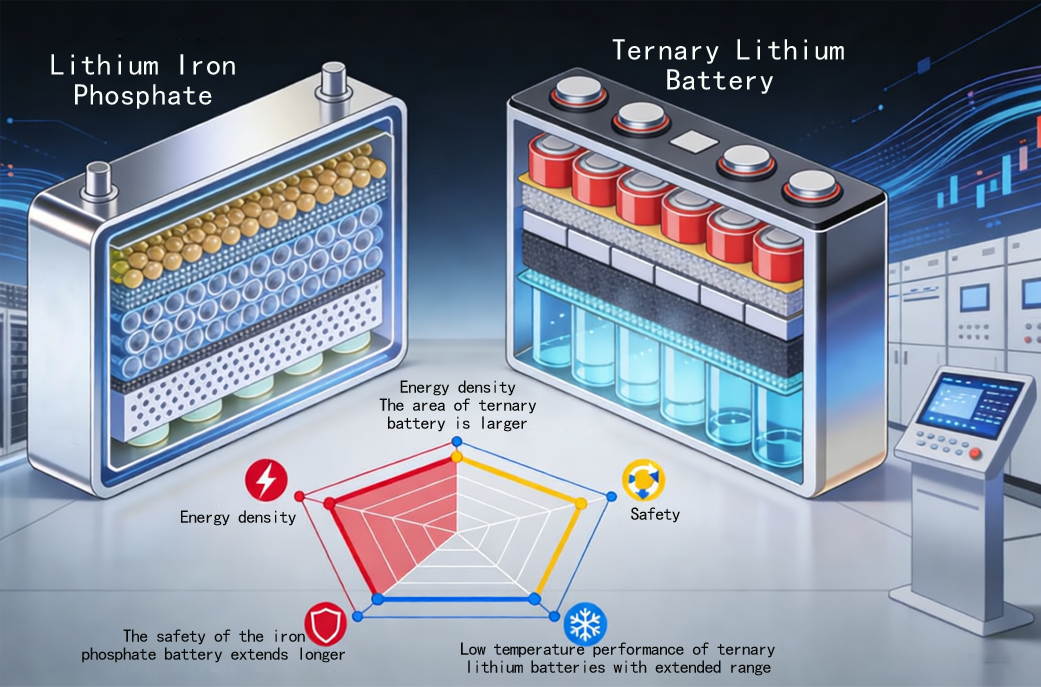
In terms of safety, LFP holds an unassailable edge: its thermal decomposition temperature reaches 800℃, and even severe damage such as needle penetration only results in smoke without fire risk. In contrast, ternary lithium’s thermal decomposition temperature ranges from 200-300℃, posing a relatively higher risk of thermal runaway. For cycle life, LFP maintains over 80% of its rated capacity after 3000-6000 charge-discharge cycles, compared to 2000-2500 cycles for ternary lithium—making LFP far more durable for long-term energy storage needs.
Low-temperature performance is ternary lithium’s standout strength: it retains over 85% of its capacity at -10℃, while LFP’s capacity drops below 70% under the same conditions, meaning temperature has a more pronounced impact on LFP’s adaptability. Cost-wise, LFP gains an advantage from not containing precious metals like cobalt and nickel, with initial investment for equivalent capacity 20%-30% lower than ternary lithium. Ternary lithium’s reliance on these precious metals directly drives up its overall cost.
From the perspective of practical application requirements, LFP offers stronger versatility. Grid-scale, industrial, and commercial energy storage projects demand strict cycle life and total lifecycle cost control—LFP’s long lifespan delivers unmatched economics, making it the preferred choice. In photovoltaic energy storage systems with daily high-frequency charging and discharging, its slow degradation advantage is fully realized. For household energy storage, safety is paramount: LFP effectively mitigates fire hazards and suits long-term use, especially in warm regions like southern China where temperature has minimal impact on performance, eliminating the need for specialized adaptation technologies. Budget-conscious users will appreciate LFP’s cost-effectiveness, while its lack of heavy metal pollution aligns with modern environmental values.
Ternary lithium, however, delivers irreplaceable value in specific scenarios. Portable energy storage devices require high-capacity storage in limited space—ternary lithium’s high energy density significantly reduces device size and weight, enhancing portability. In extremely cold regions below -20℃, where LFP performance degrades sharply, ternary lithium’s low-temperature stability ensures reliable operation of energy storage systems. For high-end energy storage projects with special power output requirements, ternary lithium’s faster charging efficiency enables rapid response to high-power demands.
When selecting an energy storage battery, comprehensive trade-offs around core factors are essential. Safety is the foundation of any energy storage system, particularly for equipment installed indoors or in residential areas—LFP’s exceptional thermal stability minimizes safety risks and complies with scenario-specific regulations. Economic considerations must balance initial and long-term costs: LFP not only has lower upfront investment but also offers a cycle life 1.5 times longer than ternary lithium. With daily charging and discharging, ternary lithium lasts approximately 5-7 years, while LFP can serve for over 10 years, delivering superior total cost of ownership over the long term.
Temperature directly impacts battery performance: in regions with ambient temperatures below 0℃, ternary lithium’s low-temperature adaptability shines; above 25℃, performance differences narrow, and LFP’s cost-effectiveness takes center stage. Charge-discharge characteristics must also align with usage needs: LFP excels in stability for deep charge-discharge (0-100%), while performance differences between the two diminish in shallow charge-discharge (20-80%) scenarios.
Overall, LFP remains the mainstream choice for energy storage systems—a consensus across grid-scale, industrial, commercial, and household energy storage sectors. When purchasing, prioritize products from reputable manufacturers like CATL and BYD to ensure safety and cycle life compliance. Pay close attention to warranty periods: high-quality products typically offer over 10 years of coverage for long-term peace of mind. Users in extremely cold regions can opt for ternary lithium or LFP equipped with heating systems to balance low-temperature performance, safety, and economics.
There is no absolute "better" option— the key lies in precise alignment with specific needs, budgets, and operating environments. LFP covers most energy storage scenarios with its comprehensive advantages of safety, long life, and cost-effectiveness, while ternary lithium excels in special applications like high-end energy storage or extreme cold conditions. Choosing the right battery type based on actual requirements ensures the optimal balance between energy storage efficiency and cost performance.
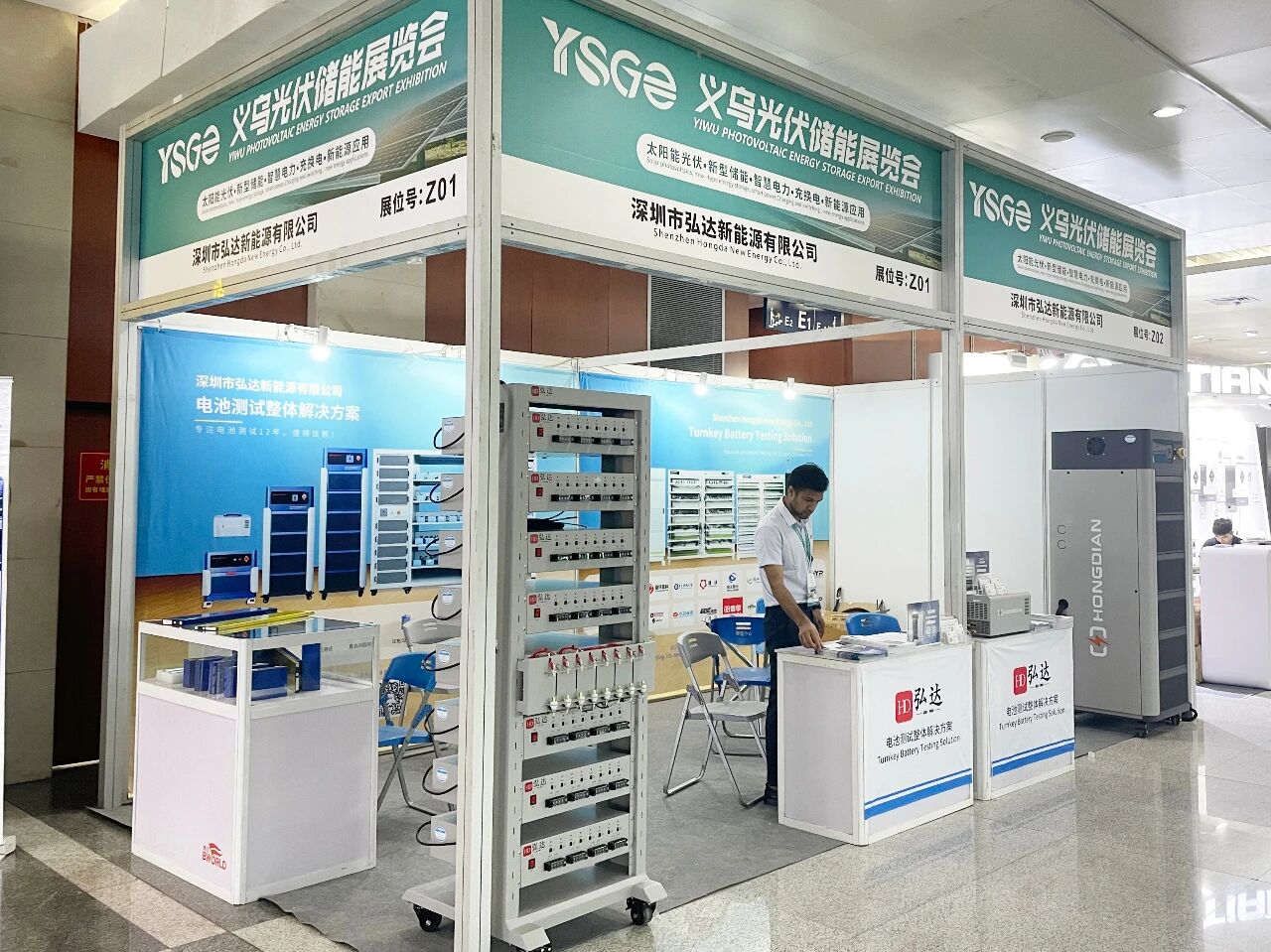
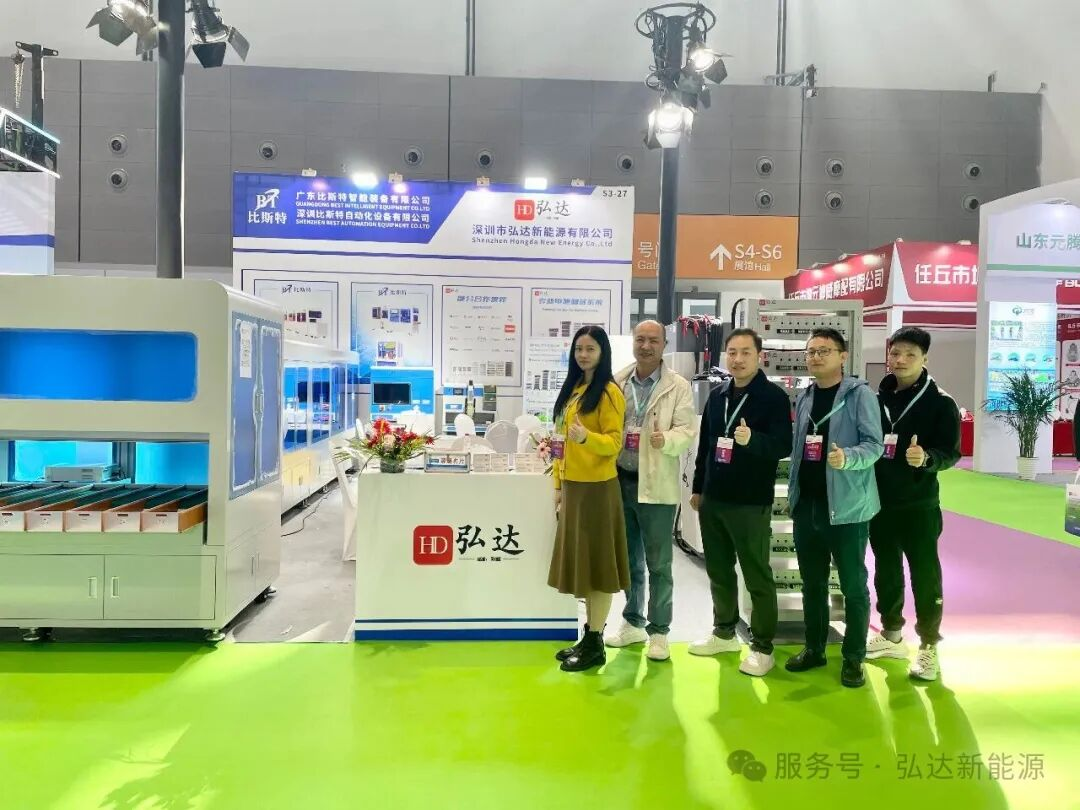
Precision Matters. Choose Shenzhen Hongda New Energy Co., Ltd.
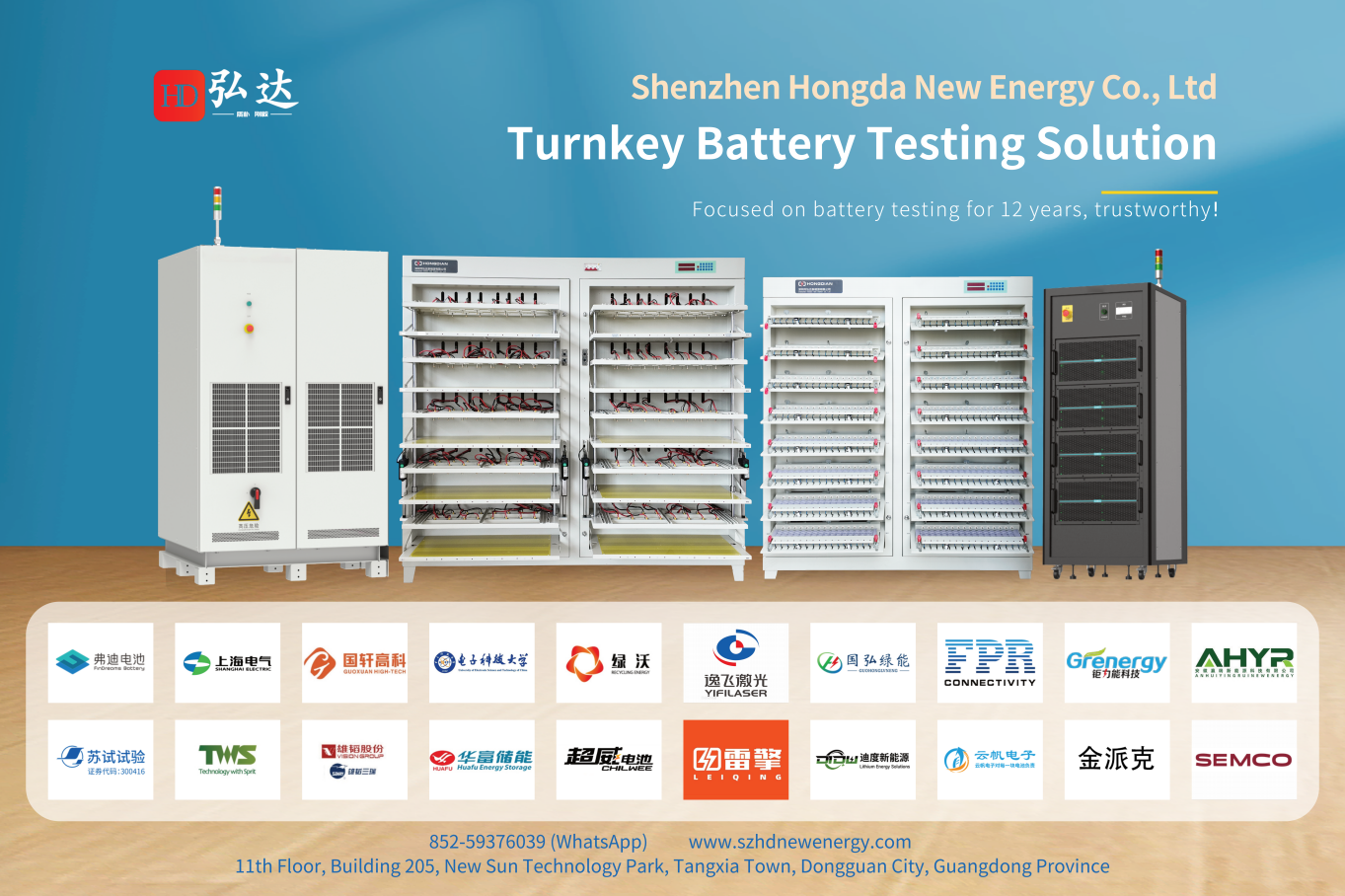
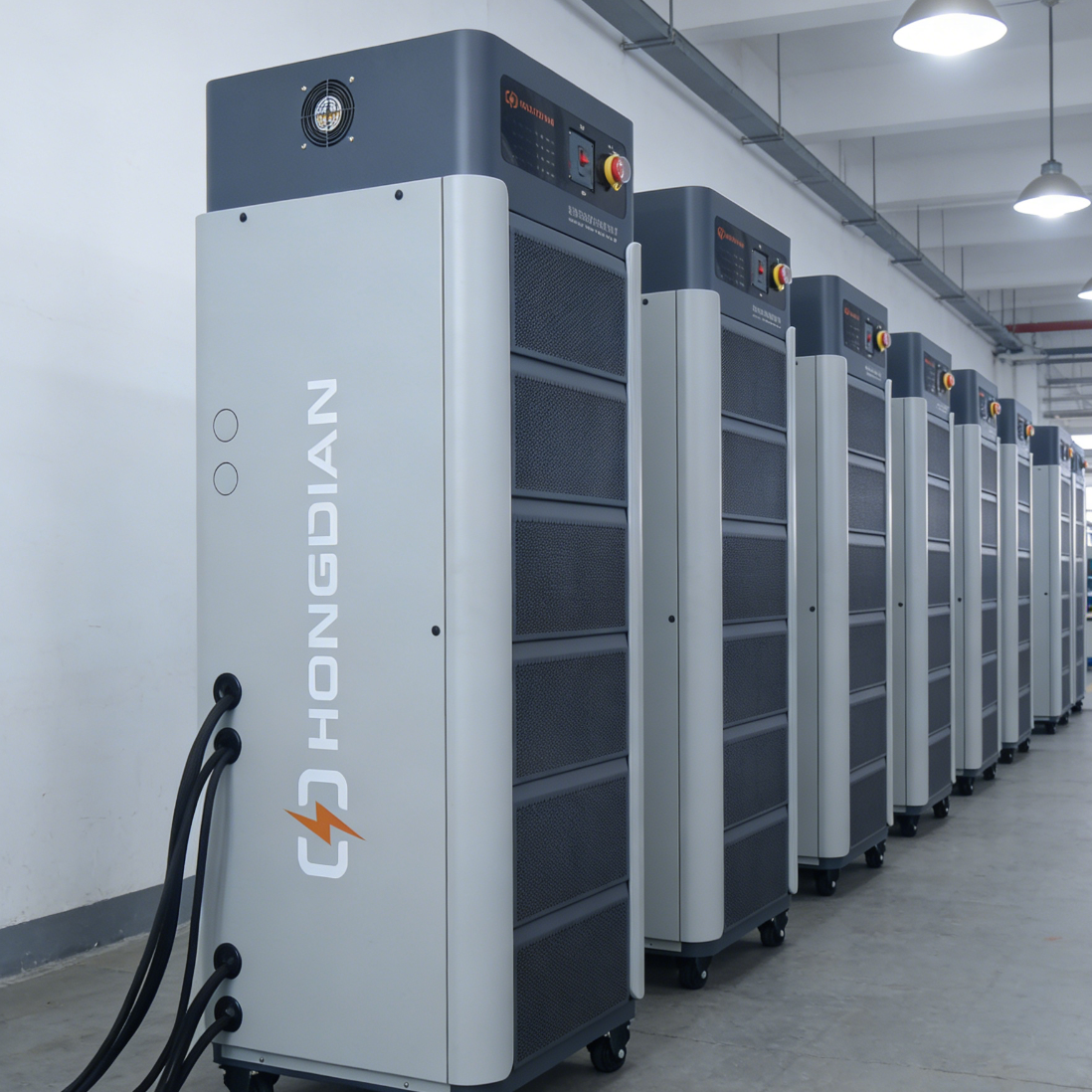
Shenzhen Hongda New Energy Co., Ltd. is dedicated to providing high-precision battery testing equipment for the global energy storage industry. Our product portfolio includes performance testing systems for LFP, ternary lithium, and other energy storage battery types, delivering exceptional accuracy, stability, and reliability. These systems comprehensively test critical indicators such as energy density, cycle life, safety performance, and low-temperature adaptability, offering robust technical support for battery manufacturers to enhance product quality and optimize production processes. Whether you’re engaged in grid-scale, industrial, commercial, household, or portable energy storage projects, Hongda New Energy’s testing equipment can meet your customized needs. Guided by the philosophy of "Precision Measurement, Empowering Innovation," we are committed to growing alongside energy storage partners and contributing to the development of a green, low-carbon energy future.