In today’s whirlwind world of tech, making sure our batteries are working at their best has honestly never been more important. A recent report from the International Energy Agency (IEA) highlights something pretty amazing—by 2050, battery tech could slash global CO₂ emissions by up to 70%. Crazy, right? As we rely more and more on our gadgets and electric rides, keeping tabs on battery health becomes a total must. That’s where a Battery Checker comes into play. It’s a handy little tool that lets you easily check and keep your batteries in shape without a fuss.
Dr. Emily Sanchez, a well-respected expert in energy storage, points out that using a Battery Checker not only helps extend your battery’s lifespan but also boosts performance and keeps things safe. Many folks in the industry agree—regular battery checks can actually prevent those surprise failures and make your energy use way more efficient. Whether you’re an everyday user or running a business, having a good battery checker means you get more out of each charge, save some money, and even do a bit for the planet. So, as we dive into how to get the most out of this tool, I’m excited to share some easy tips and best practices to help everyone take charge of their battery care.

Understanding Battery Health and Its Importance
Understanding battery health is crucial for maintaining the efficiency and longevity of your devices. A healthy battery ensures that your gadgets operate smoothly, providing reliable power when you need it most. Conversely, a deteriorating battery can lead to poor performance, unexpected shutdowns, and might even cause damage to your device. Identifying the health of your battery can help you make informed decisions about replacements or repairs, ultimately prolonging the lifespan of your devices.
Tips for checking your battery health involve using a reliable battery checker. Regularly testing your batteries can reveal important information about their condition. Look for signs of swelling, leaks, or unusual heat, which may indicate that a battery is failing. When using a battery checker, ensure that you follow the instructions carefully to obtain accurate readings. Additionally, keeping your batteries at optimal temperatures, avoiding extreme heat or cold, can preserve their health over time.
Remember that different types of batteries have varying lifespans. Keeping track of their age and performance can help you preemptively replace them before they cause any inconvenience. It's also beneficial to charge batteries according to the manufacturer's recommendations and refrain from letting them fully discharge frequently. This attention to battery care can significantly enhance their overall performance, ensuring that your devices remain fully functional when you need them.
What is a Battery Checker and How Does It Work?
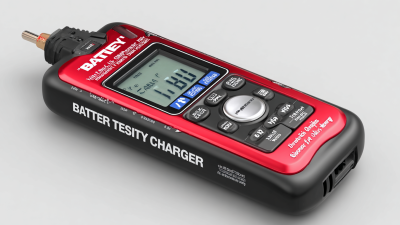
A battery checker is a simple yet essential tool used to evaluate the health and performance of batteries, ensuring they are functioning optimally. It operates by measuring the voltage output of a battery during both resting and load conditions. Typically, a well-maintained alkaline battery should have a voltage range of around 1.5 volts when fully charged. However, battery performance can degrade over time—according to industry data, up to 30% of batteries may be underperforming, leading to failures in devices they power.
When using a battery checker, one must ensure that the device being tested is compatible with the battery type. These testers utilize either a direct voltage reading or a load test to simulate actual usage conditions. For instance, a load test applies a specific resistance to the battery, helping to provide a more realistic measurement of its capacity and health. Industry reports indicate that about 40% of battery-related failures link back to improper testing methods, underscoring the importance of using a reliable battery checker.
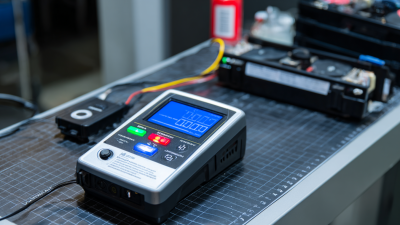
Tips for effective battery checking include regularly testing batteries, especially before long-term use, and ensuring proper storage conditions to maintain battery integrity. Additionally, consider using a battery checker with an LCD display for easier reading of the results. Always follow the manufacturer's guidelines to achieve accurate assessments and prolong the lifespan of your batteries.
Types of Batteries: Common Variants and Their Characteristics
When assessing battery health, it is essential to understand the various types of batteries and their characteristics. Common battery variants include alkaline, nickel-metal hydride (NiMH), lithium-ion (Li-ion), and lead-acid batteries.
Alkaline batteries, which are widely used in household applications, typically provide a nominal voltage of 1.5V and have a shelf life of 5 to 10 years. According to the International Journal of Energy Research, alkaline batteries are favored for their long shelf life and reliability in low-drain devices, though they may not perform efficiently in high-drain applications.
NiMH batteries offer a higher energy capacity than alkaline variants, making them preferable for rechargeable uses like cameras and remote controls. They generally have a nominal voltage of 1.2V and can cycle 500 to 1,000 times before their performance significantly degrades. Research from the Battery University indicates that NiMH batteries are an environmentally friendly choice with a lower lifecycle carbon footprint compared to single-use alkali batteries.
Meanwhile, lithium-ion batteries dominate the portable electronics market due to their higher energy density and efficiency, boasting a voltage of 3.7V and the ability to withstand up to 2,000 charge cycles, as highlighted in studies by the Journal of Power Sources.
Lead-acid batteries, commonly used in automotive applications, differentiate themselves with their robustness and cost-effectiveness. They have a nominal voltage of 12V and a lifespan typically ranging from 3 to 5 years. The U.S. Department of Energy reports that while lead-acid batteries are heavier and less efficient compared to lithium-based options, their durability and lower initial cost make them a staple in many industrial and automotive applications. Understanding these fundamental characteristics helps users select the right battery type for their specific needs, ultimately optimizing performance and extending battery health.
Step-by-Step Guide to Using a Battery Checker
When it comes to maintaining battery health, the use of a battery checker is essential for accurate assessment. First, it is important to understand the types of batteries being tested, whether they are alkaline, lithium-ion, or lead-acid. Each type may require a specific testing range and parameters. Begin by ensuring the battery checker is properly calibrated and set for the appropriate battery type. Insert the battery into the checker according to the manufacturer's instructions, ensuring the correct polarity is maintained. Many checkers provide a voltage reading, which can help determine if the battery is still within the operational range, typically around 1.5 volts for alkaline batteries and more complex readings for other types.
Understanding the results from a battery checker can significantly extend the life of batteries in your devices. Research indicates that improperly managed batteries contribute to over 1.4 billion pounds of battery waste annually, as many are discarded prematurely due to misinformation about their health. A study from the Battery Association highlights that using a battery checker can reduce waste by identifying batteries that still retain a significant percentage of their charge. This not only saves costs but also promotes environmental sustainability. After interpreting the reading, it’s crucial to consider the discharge curves specific to each battery type. This detailed analysis will help in making informed decisions about whether to continue using, recharge, or recycle the battery, thus playing a vital role in optimizing battery usage and contributing to a greener planet.
Battery Health Testing Data
| Battery Type | Voltage (V) | Health Status | Estimated Remaining Life (Months) |
| AA | 1.5 | Good | 12 |
| AAA | 1.5 | Fair | 6 |
| 9V | 9.0 | Poor | 1 |
| Li-ion | 3.7 | Good | 24 |
| Lead-acid | 12.0 | Fair | 18 |
Interpreting Battery Checker Readings: What Do the Numbers Mean?
When using a battery checker, understanding the readings it provides is crucial for accurately assessing your batteries' health. Typically, a battery checker displays voltage readings, which can indicate the current state of the battery. For example, fully charged batteries often show voltages close to their nominal ratings, while a significant drop below this level may suggest that the battery is nearing the end of its useful life or may be under heavy load. It’s essential to note that different batteries have varying nominal voltages; thus, familiarity with your specific battery type is vital for correct interpretation.
In addition to voltage, many battery checkers also provide indicators of capacity or charge level. These readings are often represented as a percentage, giving a clear idea of how much charge is left in the battery. A reading below 20% may indicate that the battery needs immediate charging or replacement, especially for rechargeable batteries. Furthermore, the health status indicator can provide insight into the battery's ability to hold a charge over time. If the health status reflects a deteriorating condition, considering recycling the battery may be advisable, as this can prevent potential hazards from failing batteries. Understanding these key metrics enables users to make informed decisions regarding battery maintenance and replacement.
Common Battery Problems and Solutions Identified by a Checker
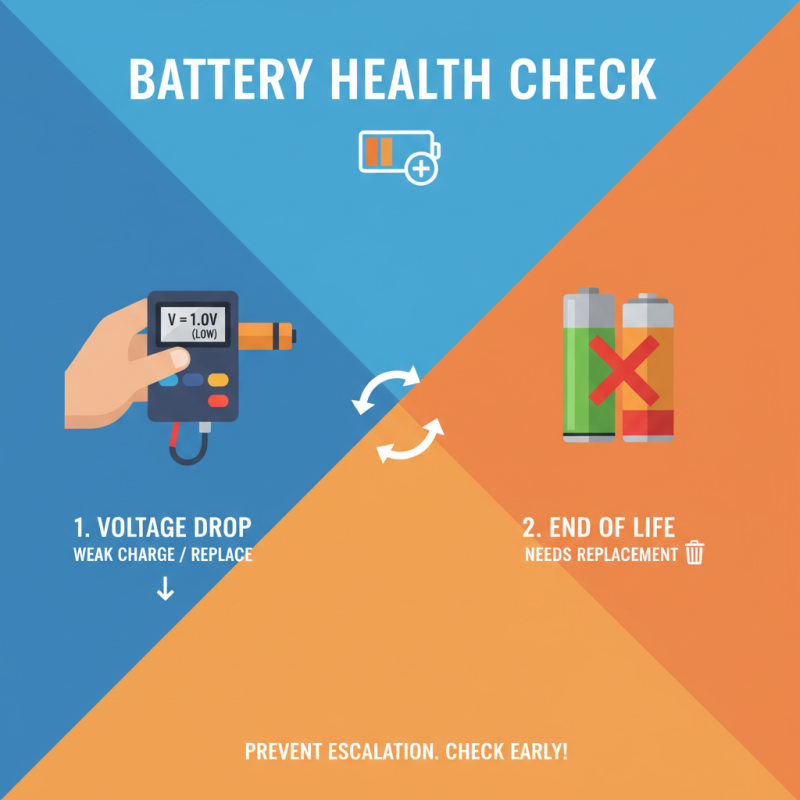
When using a battery checker, several common battery problems can be easily identified, allowing users to address issues before they escalate. One of the most frequently encountered issues is a significant drop in voltage, which often indicates that the battery is nearing the end of its life. A battery checker will display the current voltage level, helping users to ascertain whether the battery can still hold a charge or if it needs replacement.
Another prevalent problem that can be detected is poor connectivity due to corrosion or loose connections. A battery checker can reveal discrepancies in the voltage readings that might suggest an issue with the battery terminals. Regularly cleaning the battery terminals and ensuring proper connections can prevent performance issues. Additionally, the checker can highlight imbalances in multi-cell batteries, where one cell may be underperforming compared to the others, leading to overall reduced efficiency. By recognizing these problems early, users can prolong the life of their batteries and maintain optimal devices' performance.
Maintaining Battery Health: Tips for Longevity and Performance
Maintaining the health of your batteries is essential not only for optimizing device performance but also for prolonging their lifespan. According to recent industry reports, well-maintained batteries can last up to 30% longer than those that are improperly managed. One fundamental practice is to avoid deep discharging; keeping the battery charge between 20% and 80% significantly enhances its longevity. Additionally, temperature control is crucial since battery performance can degrade significantly with extreme heat or cold. The ideal operational temperature for most batteries is between 20°C and 25°C (68°F to 77°F).
Another key factor is regular maintenance checks. Utilizing battery checkers can help assess the health of your batteries, providing insights into voltage levels and capacity retention. Regular testing allows users to catch potential performance issues early, avoiding sudden device failures. Industry studies suggest that implementing a regular testing schedule can increase overall battery reliability by as much as 40%, meaning users can anticipate longer use times and fewer replacements. Furthermore, when storing batteries, it is vital to do so in a cool, dry place, ideally at a partial charge of about 50%, which can further extend their usability and performance longevity.
Optimizing Battery Performance with 1000V-1500V High Voltage High Current Testing Systems
In the realm of high-voltage battery applications, optimizing performance is crucial for enhancing efficiency and reliability. A sophisticated testing system operating within the voltage spectrum of 1000V to 1500V is essential for meeting the rigorous demands of modern battery technologies. These systems are tailored for precision, boasting a voltage accuracy of ±0.05% FS, which ensures that performance measurements are not only precise but also consistent across various testing scenarios. This level of accuracy is vital for engineers and researchers who require dependable data for analyzing battery performance and developing next-generation solutions.
Moreover, the flexibility of these high-voltage testing systems cannot be understated. They are designed to accommodate a wide range of testing parameters, making them suitable for diverse battery chemistries and configurations. By offering customizable testing protocols, users can simulate real-world conditions more effectively, leading to better performance insights and optimized battery designs. With features that allow for instantaneous adjustments and detailed analytics, these systems empower developers to push the boundaries of battery technology while ensuring safety and compliance with industry standards.
FAQS
: A battery checker is a tool used to evaluate the health and performance of batteries by measuring their voltage output during resting and load conditions.
It measures the voltage of a battery under different conditions, typically checking for the ideal voltage range of well-maintained batteries, such as approximately 1.5 volts for alkaline batteries when fully charged.
Many batteries underperform over time, and using a reliable battery checker can help identify these issues, as about 40% of battery-related failures stem from improper testing methods.
Battery checkers may use direct voltage readings or load tests, where a specific resistance is applied to simulate actual usage conditions for a more accurate assessment.
Ensure that the battery checker is compatible with the battery type being tested and follow the manufacturer's guidelines for accurate results.
The numbers usually indicate the voltage level of the battery, with lower numbers suggesting potential issues, and may also represent the charge level as a percentage.
A reading below 20% indicates that the battery may need immediate charging or replacement, especially if it's a rechargeable battery.
Regularly testing batteries, ensuring proper storage conditions, and using a battery checker with an LCD display for easy reading can all contribute to prolonging battery lifespan.
If the health status of a battery reflects deterioration, it's advisable to consider recycling the battery to prevent hazards associated with failing batteries.
Testing batteries before long-term use helps ensure they are in good condition and ready for reliable operation, reducing the risk of device failures.
Conclusion
In the article "How to Use a Battery Checker to Accurately Test Your Batteries' Health," the importance of understanding battery health is emphasized, as it directly affects the performance and longevity of devices. A battery checker is introduced as a vital tool that accurately assesses battery health by providing readings that help users identify issues with various types of batteries.
The article offers a comprehensive guide on using a battery checker effectively, including interpreting the readings and addressing common battery problems. Additionally, it provides practical tips for maintaining battery health, ensuring optimal performance over time. By following these guidelines, users can maximize their battery's lifespan and efficiency.

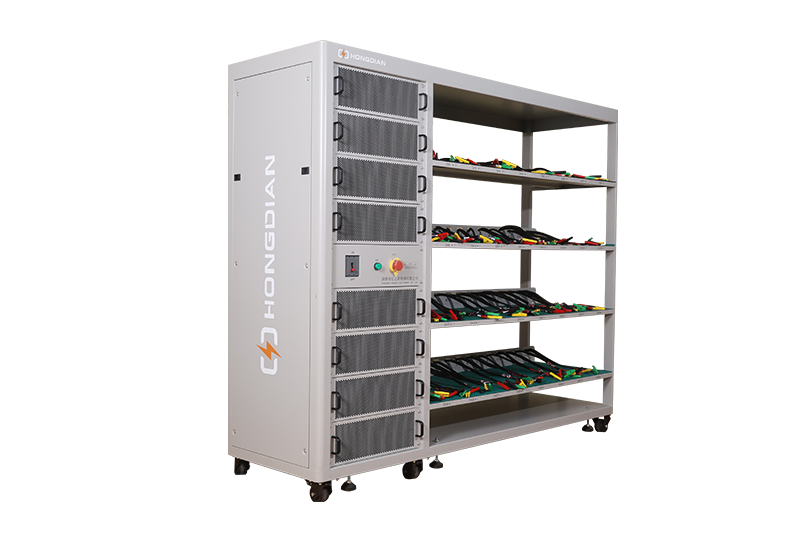 32/48 channel battery charging and discharging test integrated battery cabinet
 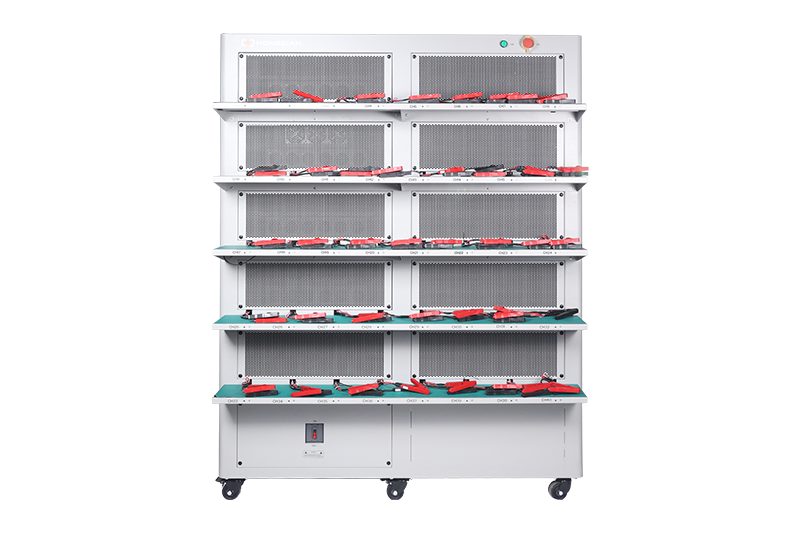 40 channel battery charging and discharging test integrated battery cabinet
  64 channel battery charging and discharging test integrated battery cabinet
 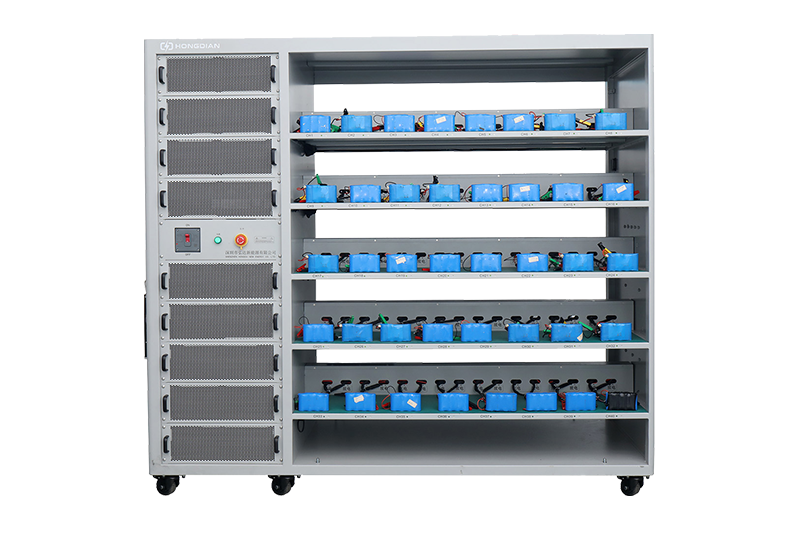 80 channel battery charging and discharging test integrated battery cabinet
 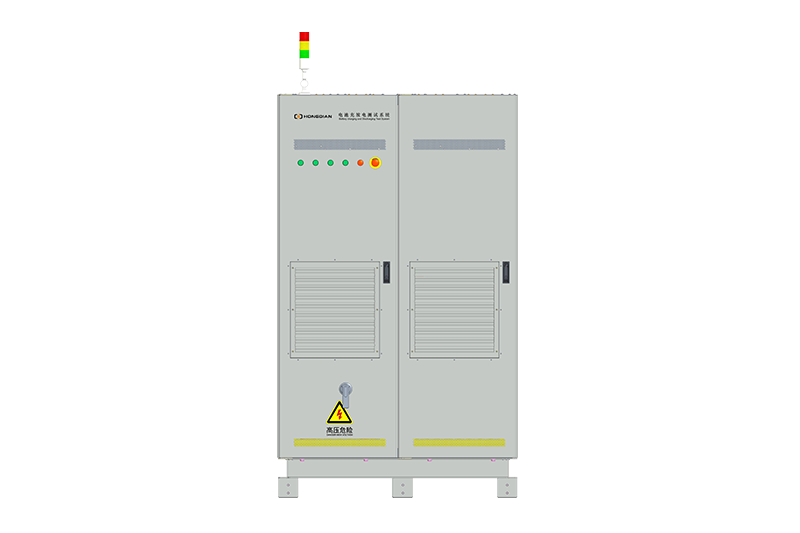 1000V-1500V High Voltage High Current Battery Testing System
 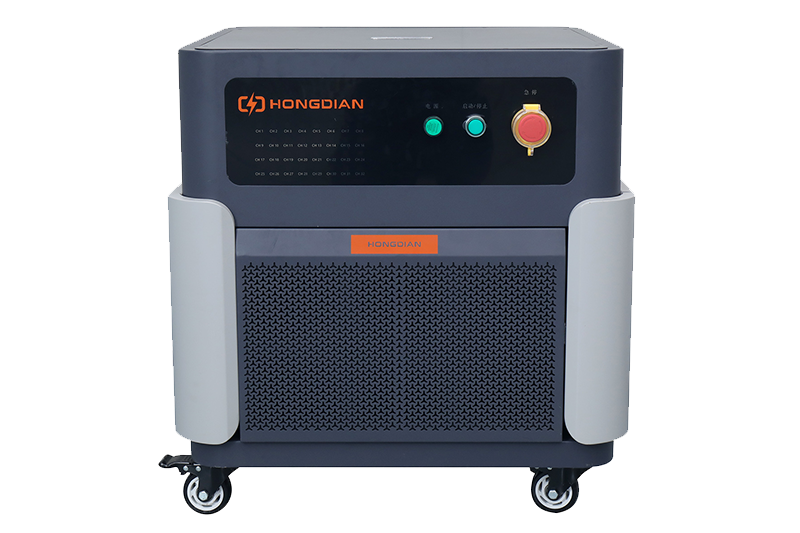 High-Precision Battery Testing System for Enhanced Performance Monitoring 30V/60V/100V/120V
 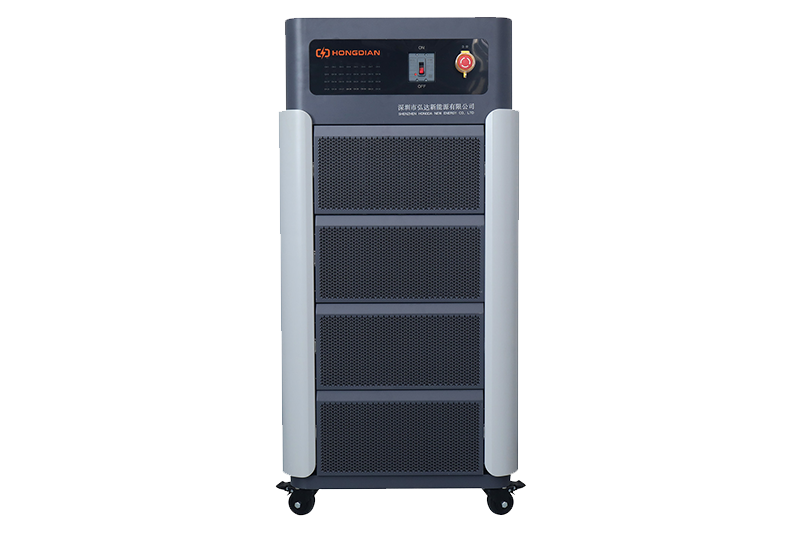 High-Precision Battery Charge Discharge Test Systems for EV Manufacturers
 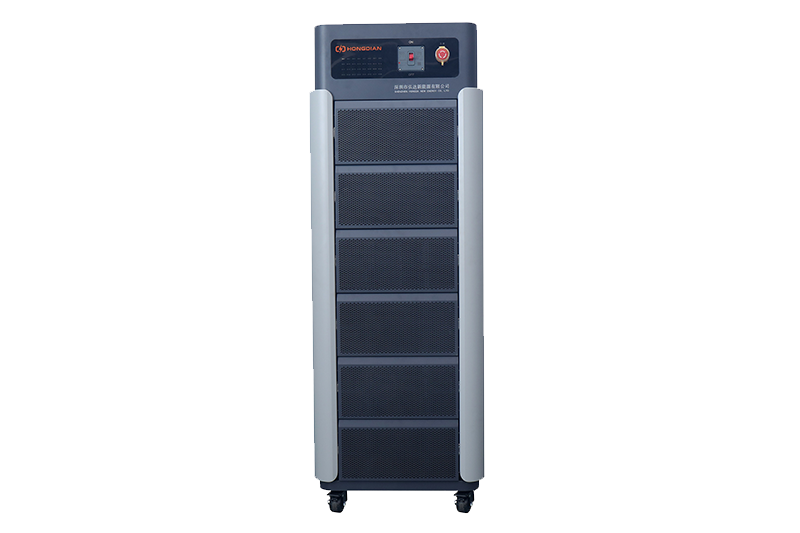 Precision Battery Test Racks for Cell Capacity & Internal Resistance Measurement
  Multi-Channel Battery Testing Equipment for Parallel Performance Analysis