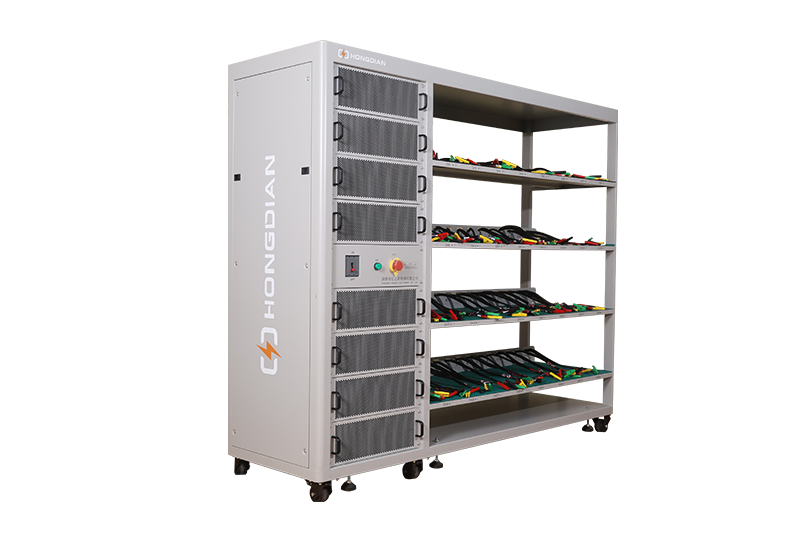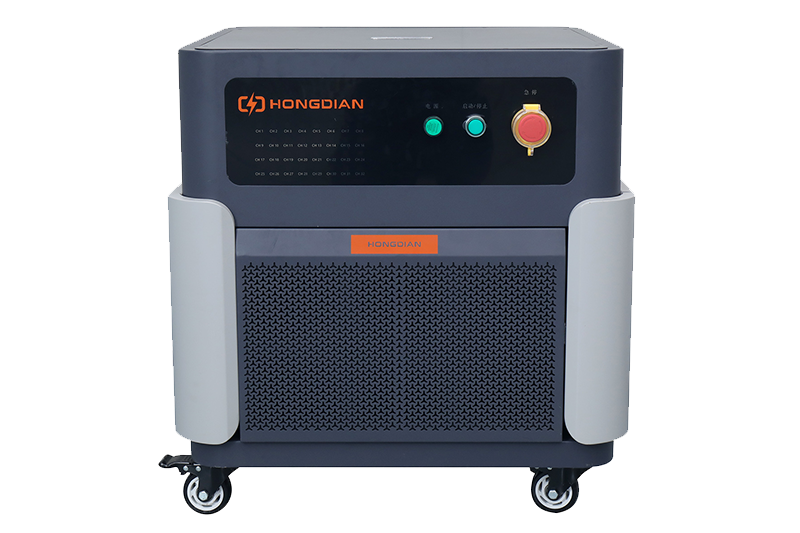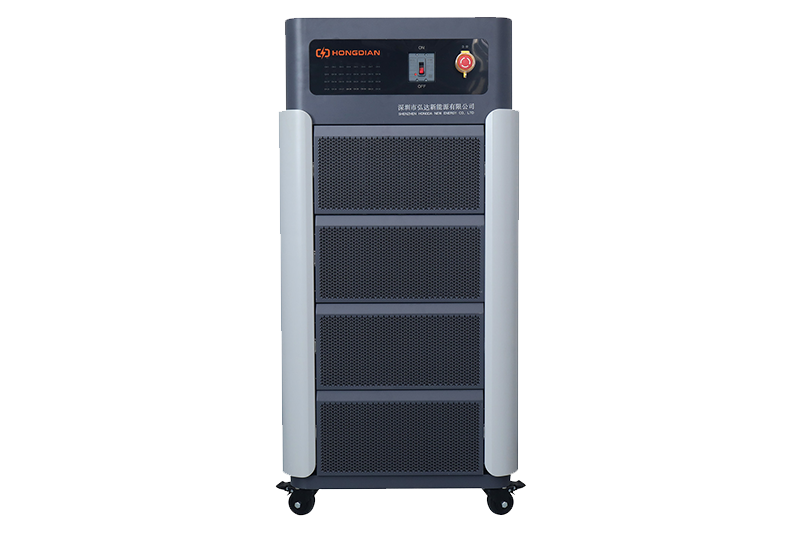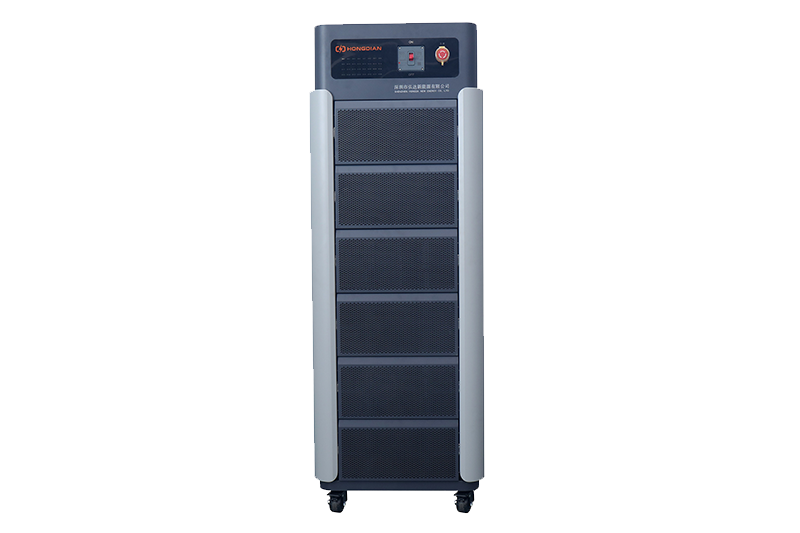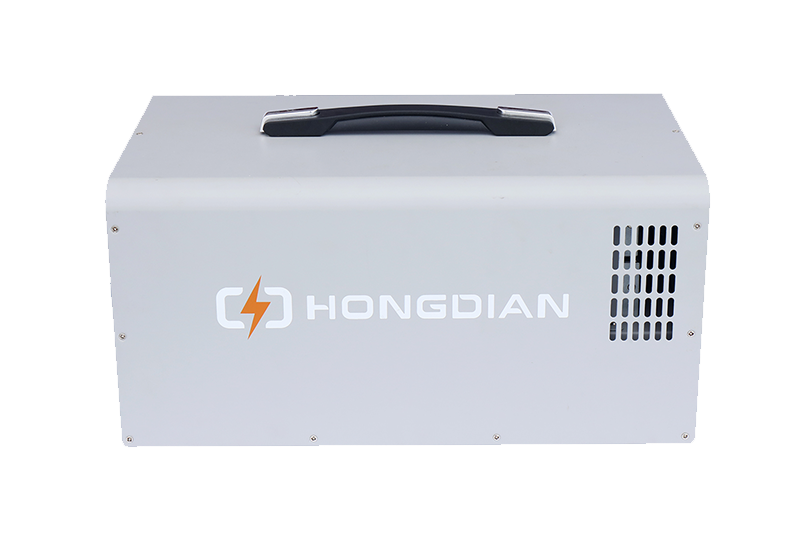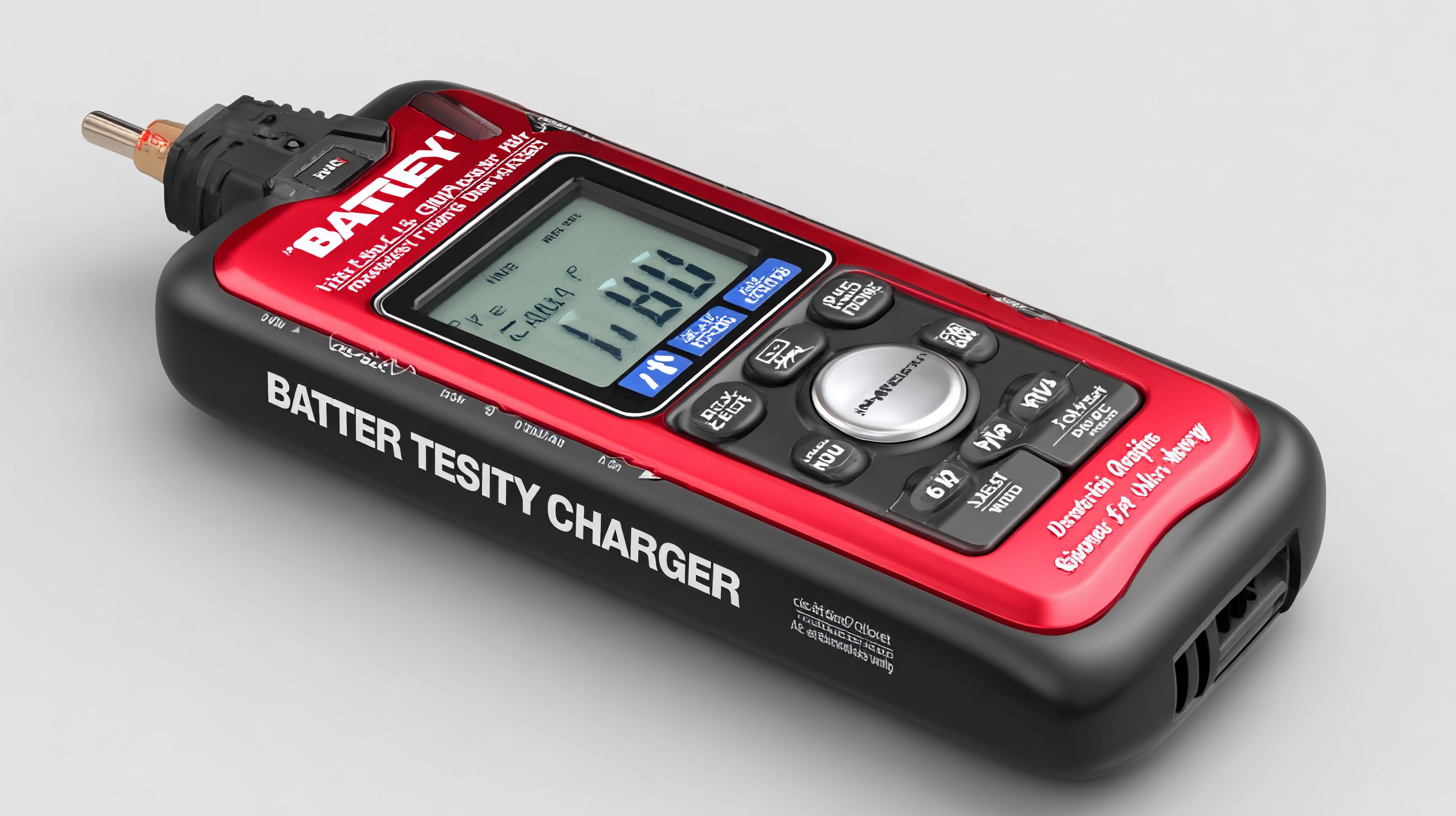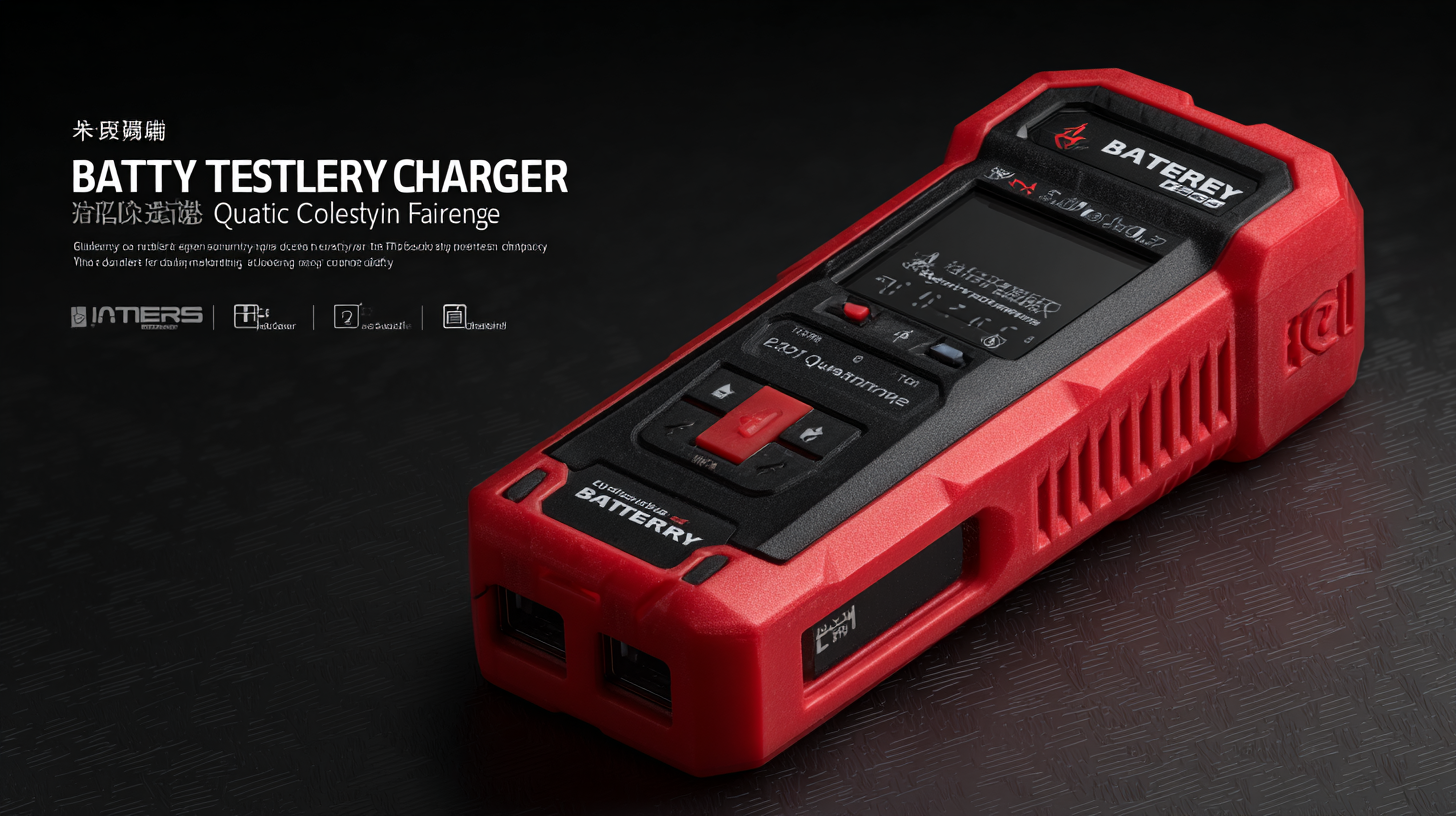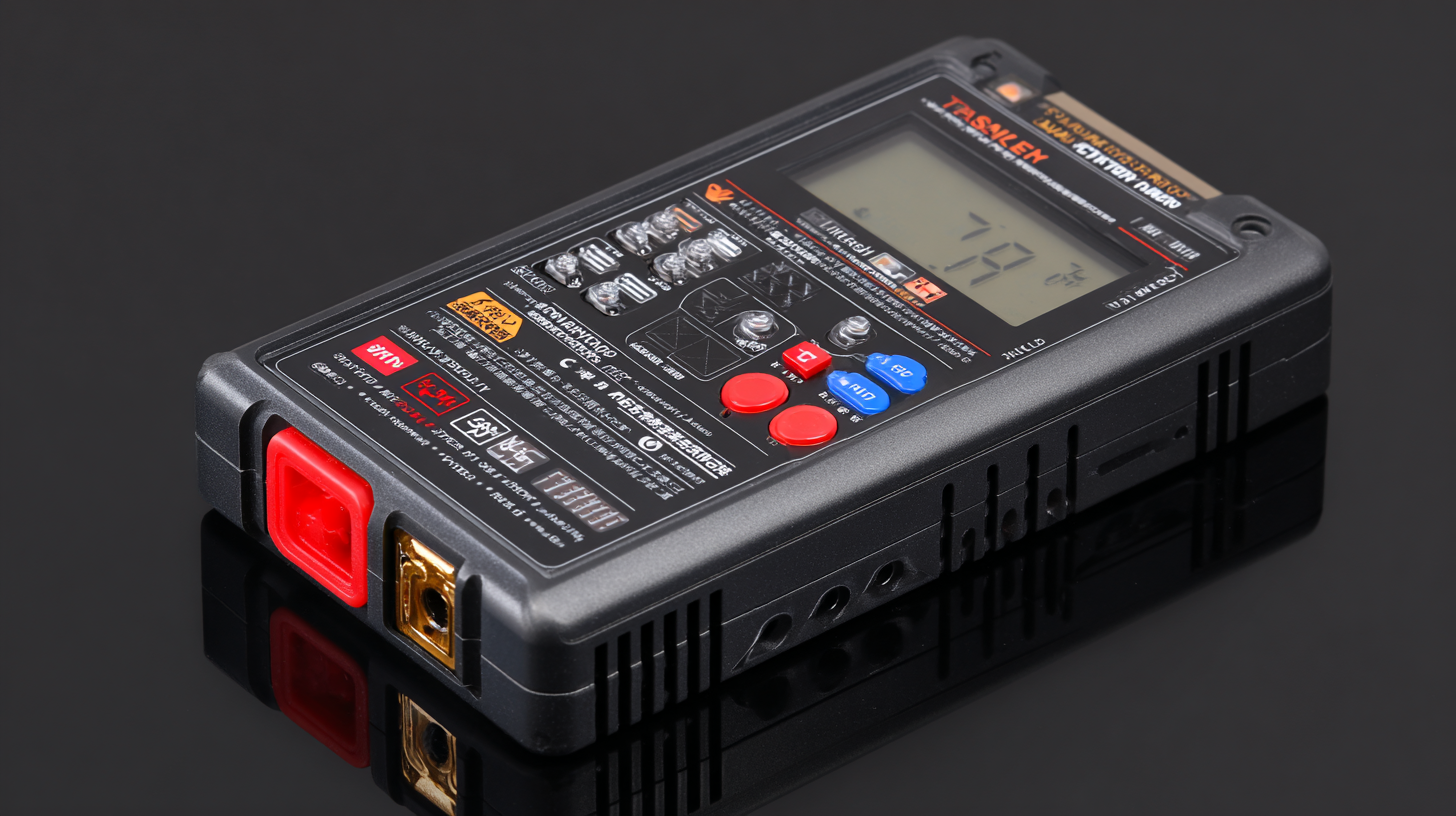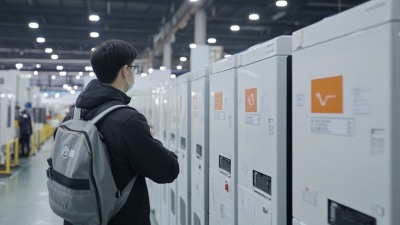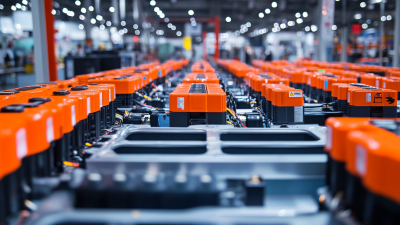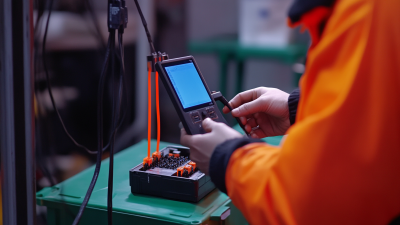
32/48 channel battery charging and discharging test integrated battery cabinet
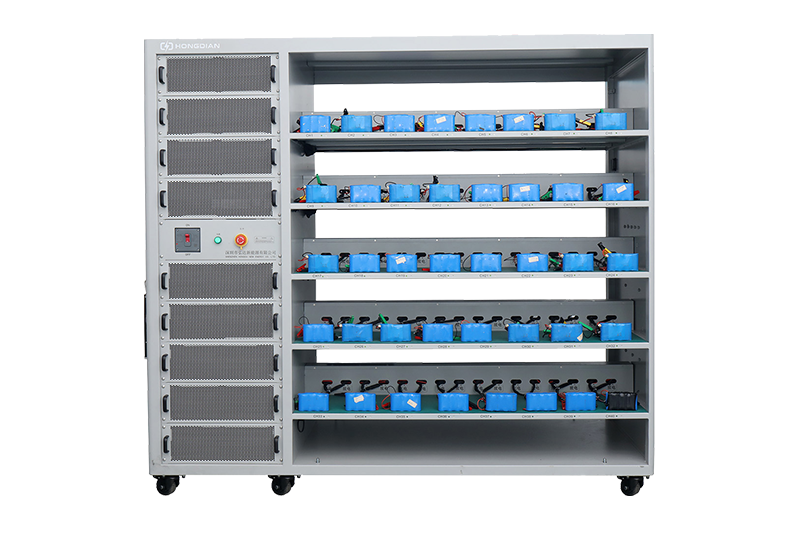
40 channel battery charging and discharging test integrated battery cabinet
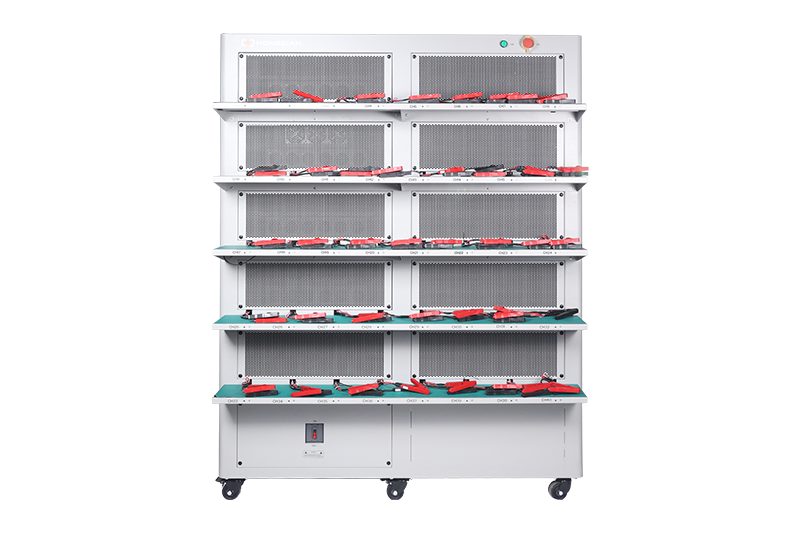
64 channel battery charging and discharging test integrated battery cabinet
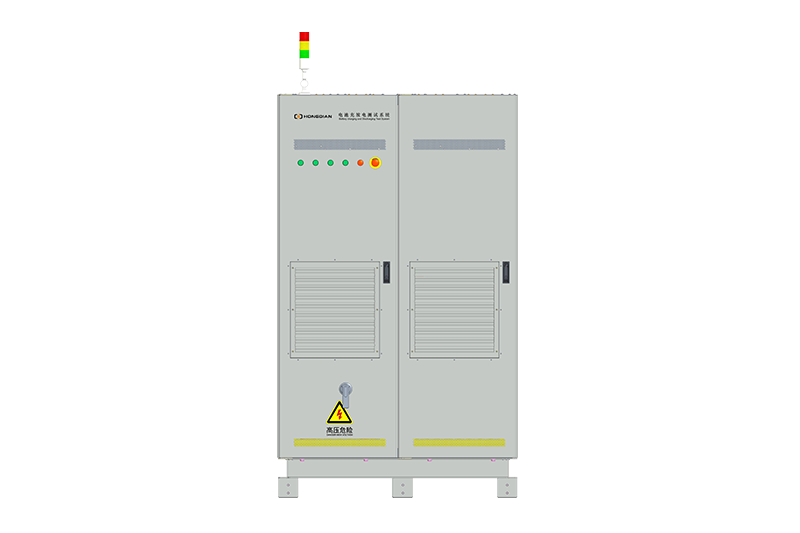
80 channel battery charging and discharging test integrated battery cabinet

In today's rapidly evolving technological landscape, the demand for reliable power solutions has surged, with the global battery tester charger market projected to reach USD 5.4 billion by 2026, growing at a CAGR of 6.3% from 2021. As industries across the globe prioritize efficiency and sustainability, Shenzhen Hongda New Energy Co., Ltd. stands at the forefront of this transformation, providing unmatched quality and performance in Battery Testing and charging solutions. Since its establishment, Hongda New Energy has successfully expanded its business scope, serving over a thousand customers and establishing robust sales networks across multiple countries and regions. With a commitment to innovation and excellence, our battery tester charger offerings are engineered to meet the highest standards, ensuring optimal performance for a wide range of applications in both consumer and industrial markets.
In the ever-evolving world of battery technology, the significance of high-quality Battery Testers and chargers cannot be overstated. These devices are essential for ensuring the reliability and longevity of batteries across various applications, from consumer electronics to electric vehicles. Quality testers provide accurate readings that allow users to assess battery health and performance, enabling timely interventions that prevent premature battery failure. With the growing reliance on rechargeable batteries, investing in dependable testing equipment is crucial for maintaining operational efficiency and safety.
Moreover, quality chargers play a pivotal role in optimizing battery performance. They are designed to charge batteries efficiently while minimizing the risks of overcharging or overheating, which can lead to dangerous situations. In the industry, manufacturers that prioritize the production of high-quality battery testers and chargers not only enhance customer satisfaction but also contribute to sustainability by promoting better battery management. Therefore, understanding the importance of these tools is vital for stakeholders aiming to provide unmatched performance and reliability in their battery-powered products.
As the global demand for efficient power solutions grows, the battery testing equipment market is expected to surge from $575.1 million in 2025 to $833.02 million by 2032, reflecting a compound annual growth rate of 5.4%. At the forefront of this market are advanced battery testers that stand out due to their unmatched quality and performance, particularly those emerging from China.
Key features of these advanced battery testers include precision diagnostics, user-friendly interfaces, and versatile compatibility with various battery types. They often incorporate cutting-edge technology such as real-time data analysis and cloud connectivity, enabling users to monitor battery health and performance remotely. Additionally, features like automated testing processes and detailed reporting capabilities set them apart, making them indispensable tools for professionals and hobbyists alike. With these innovations, users can ensure longer battery life, enhanced safety, and optimal performance in their applications, reinforcing the essential role these testers play in today’s energy-driven world.
When selecting a battery tester, it’s essential to consider various performance metrics that determine its effectiveness for specific applications. According to a report published by MarketsandMarkets, the global battery testing market is projected to grow from $1.2 billion in 2022 to $2.1 billion by 2027, highlighting the increasing demand for advanced battery testers. Different types of testers offer distinct features; for instance, digital testers provide precise voltage readings and capacity analyses, while load testers can simulate the strain on batteries under practical conditions, revealing their performance under real-world scenarios.
Moreover, applications vary between industries. For automotive batteries, testers that measure cold-cranking amps (CCA) provide crucial insights into battery health, enabling preventative maintenance before failures occur. In contrast, lithium-ion battery testers focus on capacity and cycle life, essential for industries leveraging renewable energy solutions and electric vehicles. A recent study from Grand View Research emphasizes that the growing adoption of electric vehicles will further drive the need for sophisticated battery testing technologies, emphasizing the role of innovation in enhancing battery reliability and longevity.
The demand for high-quality battery charging solutions has surged dramatically in recent years, particularly in light of the global transition towards electric vehicles (EVs) and sustainable energy solutions. According to market projections, the global battery testing equipment market is anticipated to grow from approximately $575.1 million in 2025 to $833.02 million by 2032, demonstrating a compound annual growth rate (CAGR) of 5.4%. This growth is driven by the increasing demand for reliable and efficient power sources that cater to various sectors, including automotive and renewable energy.
In the context of lead-acid batteries, the market is also witnessing significant evolution. The lead-acid battery market, valued at approximately $11.2 billion in 2022, is projected to reach $14.6 billion by 2030, with a CAGR of 3.6% from 2024 to 2030. This growth is largely attributed to the rising applications within start-stop systems in vehicles, alongside advancements in battery technology, such as valve-regulated lead-acid (VRLA) batteries, which offer enhanced performance and longevity. As businesses and consumers prioritize durable and high-performance battery solutions, the landscape continues to shift, reflecting the emerging trends in energy efficiency and environmental responsibility.
Battery tester technology plays a crucial role in extending the lifespan and enhancing the efficiency of batteries. With advancements in this field, users have access to precision tools that provide accurate readings of battery health and charge levels. Modern battery testers can assess various parameters, including voltage, internal resistance, and capacity, allowing users to make informed decisions regarding charging habits and usage patterns. This proactive approach not only helps in prolonging the life of individual batteries but also optimizes performance across a range of applications, from consumer electronics to electric vehicles.
Moreover, investing in high-quality battery testing technology can reduce the frequency of replacements and improve overall energy management. As users gain insights from detailed battery diagnostics, they can implement maintenance practices that prevent overcharging or deep discharging, two major factors that negatively impact battery longevity. Enhanced battery tester chargers from China exemplify this trend, combining unmatched quality with sophisticated features that ensure optimal battery performance. By harnessing this technology, consumers and businesses alike are empowered to maximize the utility of their investments in battery-operated devices.
Chinese manufacturers have emerged as leaders in the field of battery testing technology, leveraging advanced research and development capabilities to create products that meet the evolving demands of consumers and industries alike. These manufacturers have invested heavily in innovation, focusing on enhancing the accuracy, speed, and reliability of battery testers. This commitment to quality has positioned them at the forefront of the global market, enabling them to provide unmatched performance that helps in prolonging battery life and improving operational efficiency.
One significant aspect of this innovation is the integration of smart technology into battery testing devices. Chinese companies are increasingly incorporating features like real-time data monitoring, compatibility with various battery types, and user-friendly interfaces. By leveraging artificial intelligence and machine learning, these products can analyze battery performance trends, providing insights that were previously unattainable. The result is not just a functional device but a powerful tool that empowers users to make informed decisions about battery maintenance and replacement. As a result, the influence of Chinese manufacturers in revolutionizing battery testing technology cannot be overstated, setting new standards for quality and efficiency worldwide.
: When selecting a battery tester, it’s essential to consider performance metrics such as precision in voltage readings, capacity analyses, and the ability to simulate real-world conditions for effective battery assessment.
The global battery testing market is projected to grow from $1.2 billion in 2022 to $2.1 billion by 2027, indicating increasing demand for advanced battery testers.
Digital testers provide precise voltage readings and capacity analyses, while load testers simulate the strain on batteries under practical conditions to reveal their real-world performance.
Measuring cold-cranking amps (CCA) provides crucial insights into automotive battery health, enabling preventative maintenance to avoid failures.
Lithium-ion battery testers primarily focus on assessing capacity and cycle life, which are essential for industries utilizing renewable energy solutions and electric vehicles.
Battery tester technology enhances lifespan by providing accurate readings of battery health and charge levels, allowing users to make informed charging decisions that prolong usage.
Battery diagnostics can lead to maintenance practices that prevent overcharging or deep discharging, which are significant factors that negatively impact battery longevity.
Enhanced battery tester chargers, especially from manufacturers in China, combine high quality with sophisticated features to ensure optimal battery performance and longevity.
Investing in high-quality battery testing technology can help reduce replacement frequency and improve energy management by providing insights that promote better usage and maintenance practices.
The growing adoption of electric vehicles increases the demand for sophisticated battery testing technologies, as these technologies are essential for enhancing battery reliability and longevity in EV applications.