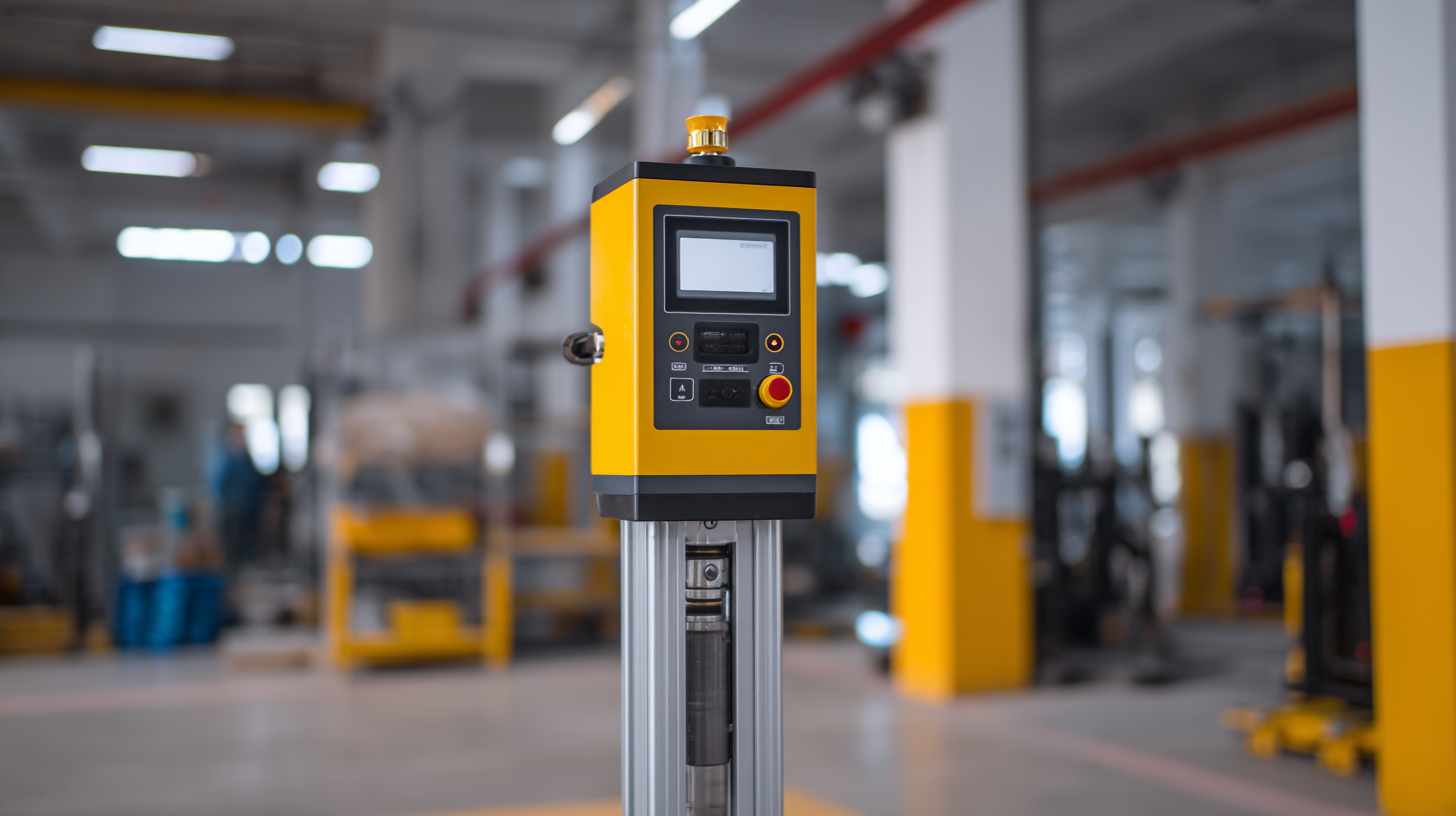
In today’s fast-changing industrial world, choosing the right Load Tester really can’t be overstated. As the need for more efficient energy solutions keeps growing, a report from MarketsandMarkets predicts that the global load testing market will hit around $605 million by 2025, with an annual growth rate of about 7.5%. Proper load testing is crucial—it ensures that industrial systems run smoothly, which boosts both productivity and reliability. At Shenzhen Hongda New Energy Co., Ltd., we’ve seen firsthand just how important having the latest load testing equipment is to meet our clients’ varied needs. Since we got started, we’ve grown quite a bit, serving over a thousand customers from different parts of the world. Knowing how to pick the right load tester, tailored to specific industrial needs, can really make a difference when it comes to efficiency and the lifespan of your equipment.
Understanding Load Testing: Importance and Applications in Industry
Load testing might not be the most glamorous part of tech or industrial work, but trust me, it’s absolutely essential. Basically, it’s all about making sure your systems can handle whatever load they’re expected to bear—without crashing or choking. I came across a report in the International Journal of Engineering Research & Technology that blew my mind: about 70% of software failures in real-world scenarios happen because they weren’t properly tested under heavy load. That just goes to show how crucial it is to pick the right load testing tools, especially when you're dealing with performance, reliability, or even planning for future capacity. When done right, load testing helps organizations dodge big risks, cut down on downtime, and keep users happy by catching problems early before they turn into disasters.
Take industries like manufacturing or finance—these guys really rely on their systems running smoothly, especially during busy times. A recent study from the Load Test Institute mentioned that companies who do regular load testing see around a 40% drop in failures during peak hours. And it’s not just about avoiding crashes. Load testing tools also help companies manage resources better, so they can scale up operations without breaking the bank. As digital transformation kicks into high gear across industries, understanding how important load testing is will be key to staying competitive and making sure everything runs like clockwork.
Key Factors to Consider When Choosing a Load Tester for Your Operations
When you're trying to pick the right load tester for your industrial setup, there are a few important things to keep in mind. First off, the power rating is a big deal. In the US, the generator market is divided into different categories like under 75 kVA, 75-375 kVA, 375-750 kVA, and over 750 kVA. Basically, this means you want to choose a load tester that matches your specific power needs — getting it right can make a big difference in how efficient and safe your operations are.
Another thing to consider is what kind of load bank you’ll need. The global market for load banks is actually expected to grow from around $300 million in 2025 to nearly $387 million by 2032. That’s a clear sign that more and more sectors, from power plants to data centers, are relying on both portable and fixed load banks. It’s really important to understand what your environment demands — whether you need resistive, reactive, or a combination of load banks — because that choice impacts performance.
Basically, figuring out exactly what your operation needs and staying updated with the latest industry reports can help you choose the perfect load tester for your setup. Don’t rush it — taking your time to assess your requirements will pay off in the long run.

Analyzing Load Tester Specifications: What the Numbers Really Mean
When you're picking out a load tester for industrial stuff, it’s super important to understand the specs. That way, you can be sure it’ll perform well when it really counts. Load testers basically mimic different operating conditions, giving you a sense of how your system will hold up under pressure. Usually, the key specs to look at are the maximum load capacity, data throughput, and response time. For example, if a load tester can handle 10,000 requests per second, that’s a good sign it can deal with busy traffic — which is pretty crucial for keeping things running smoothly in an industrial setting.
Lately, studies have shown that stress-testing is a pretty big deal when it comes to checking how different systems, like MQTT brokers, perform. Some recent comparisons looked at how various implementations reacted as the load ramped up, providing useful details about latency and throughput. That kind of info can really help you pick the right load tester. Like, if you see that a certain broker kept its response times below 100 milliseconds even when under heavy stress, it’s probably pretty reliable and tough. When you're going through the specs, try to find a load tester that meets those kinds of performance benchmarks — basically, one that can truly mimic the real-world demands your system faces.
Load Tester Specifications Comparison
This bar chart presents a comparison of maximum load capacity among various load tester models. Each tester offers different ratings, which can guide decision-making in selecting the appropriate load tester for industrial needs.
Cost-Benefit Analysis of Different Load Testers: Making an Informed Choice
When you're choosing a load tester for industrial use, it’s really worth doing a proper cost-benefit check — it can make a huge difference in how you decide. I saw in a report by Market Research Future that the global load testing market might hit over $600 million by 2025, which just goes to show how much demand there is for reliable and efficient testing tools. It’s important to weigh the upfront costs against potential issues like downtime and how much you might save on maintenance. For example, investing a bit more in a top-quality load tester might seem pricey at first, but it could save you a ton of headaches down the line by minimizing equipment failures and avoiding costly repairs or interruptions.
One thing you definitely want to pay attention to is how well the tester performs. Make sure it can handle the specific loads and conditions in your facility — no point in getting something that doesn’t quite cut it! And don’t forget to look into the warranty and support options from the manufacturer. Those extras can really give you peace of mind, especially when something goes wrong.
When comparing different models, it’s also smart to think about operational efficiency. For instance, a study in the International Journal of Industrial Engineering mentioned that newer load testers with IoT features can cut testing times by up to 40%. That means faster results and more productivity for you. At the end of the day, choosing the right load tester isn’t just about the initial price tag — it’s about the long-term savings and how much it helps your business run smoother over time.
Top Load Testing Brands and Their Features: A Comprehensive Comparison
When you're picking out a load tester for industrial work, it's really important to get a handle on the top brands and what they bring to the table. Companies like Fluke, Tektronix, and Keysight each have their own strengths and quirks that suit different kinds of industrial needs. For instance, Fluke is pretty much known for building tough, reliable equipment that's super easy to use — perfect for techs who need dependable gear in rough environments. Plus, their testers often have cool diagnostic features that help you troubleshoot on the fly.
On the flip side, Tektronix really shines when it comes to precision and high-frequency measurements. If your job calls for exact readings, their gear might be just what you're after. They also pack their devices with clever software for analyzing data, which makes it easier to get a full picture of how everything’s performing.
Then there’s Keysight, which is all about cutting-edge tech. They produce innovative load testers that support all sorts of testing protocols and have good connectivity options. That kind of flexibility means industries can tweak and adapt the equipment to fit whatever testing needs come up, making things run a lot smoother. Looking at all these features side by side can really help you make a smart choice—one that lines up perfectly with your project’s specs and day-to-day operations.
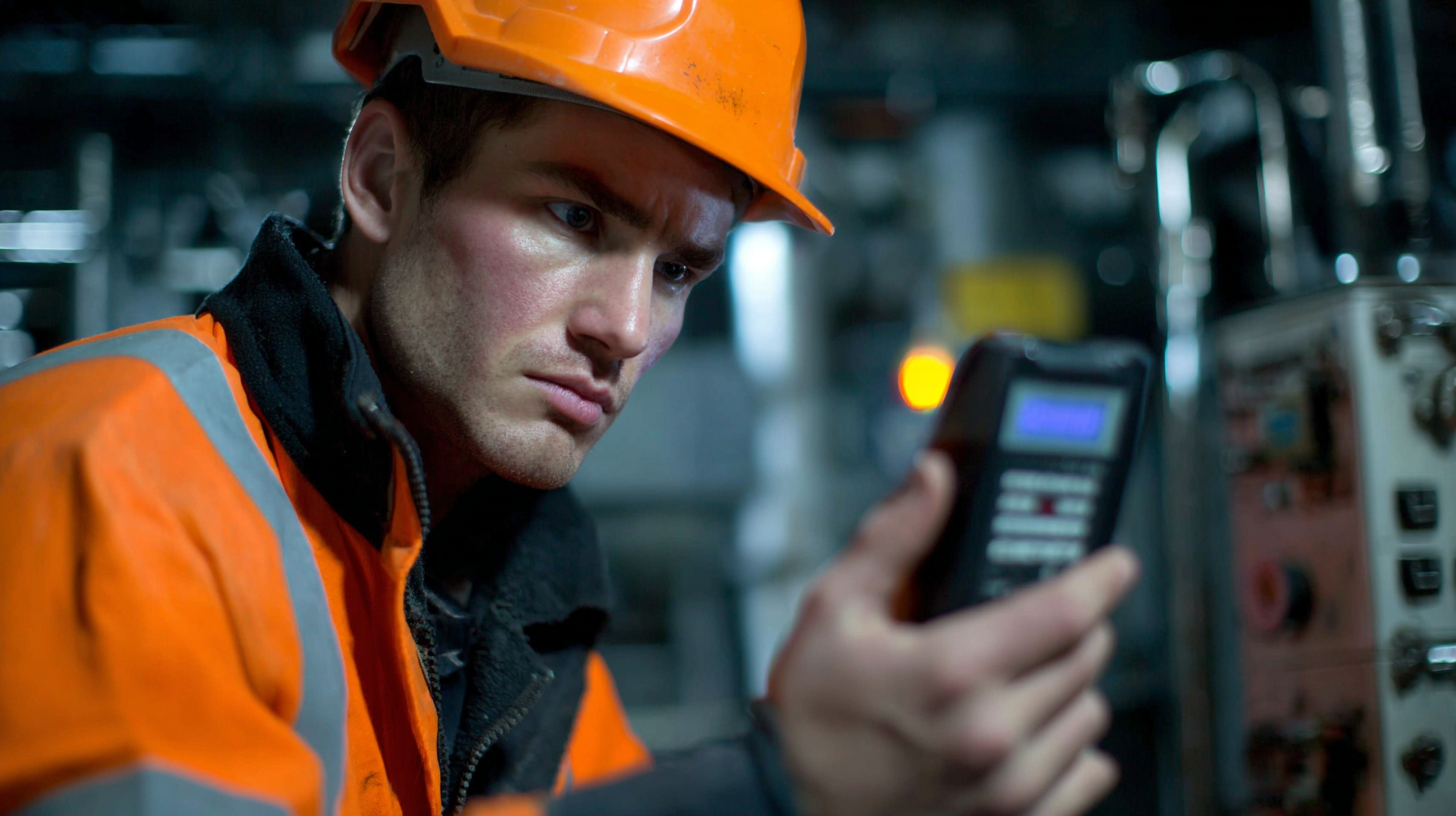
Future Trends in Load Testing Technology: What to Watch For in 2024
So, as we head into 2024, it looks like load testing tech is gonna see some pretty big changes. One hot trend right now is how AI and machine learning are starting to play a bigger role in load testing tools. These upgrades basically help us analyze data smarter, making it easier to predict how a system might behave under different loads. Plus, you can spot potential bottlenecks before they turn into serious problems. Using AI-driven insights, teams can be more accurate and efficient with their tests, which ultimately means systems that are more reliable and sturdy.
Another thing to keep an eye out for in 2024 is how more companies are shifting to cloud-based load testing solutions. As businesses go all-in on digital transformation, having flexible, scalable testing environments is more important than ever. Cloud tools let you simulate huge amounts of user traffic without the headache of maintaining tons of infrastructure on-site. This change doesn’t just save money, it also makes teamwork easier—teams from different locations can work together more smoothly, keep tabs on performance in real time, and make quick adjustments when needed. Staying on top of these innovations will be key for any company trying to stay competitive in this fast-changing landscape.
How to Select the Right Load Tester for Your Industrial Needs - Future Trends in Load Testing Technology: What to Watch For in 2024
| Load Tester Type | Key Features | Maximum Load Capacity | Applications | Trends to Watch in 2024 |
| Hydraulic Load Tester | Portable, High Accuracy, Adjustable Loading | 1000 kN | Heavy Machinery Testing, Structural Assessments | Increased Automation and Remote Operation |
| Electrical Load Tester | Digital Readout, Overload Protection, Low Voltage Testing | 500 A | Electronics Manufacturing, Substation Testing | Integration with IoT Devices for Data Monitoring |
| Mechanical Load Tester | Versatile Attachments, Precision Measurement, Easy Setup | 200 kN | Industrial Equipment, Construction Materials Testing | Enhanced User Interfaces with Touch Screens |
| Tensile Load Tester | High Precision, Multiple Mode Testing, Comprehensive Software | 150 kN | Material Testing, Research and Development | More Focus on Sustainability and Eco-Friendly Materials |
FAQS
: You should evaluate the initial investment against potential downtime costs and maintenance savings, as well as the performance capabilities of the tester, ensuring it supports the specific loads and environments in your facility.
A thorough cost-benefit analysis helps determine the best balance between upfront costs and long-term savings, especially regarding equipment failures and repairs.
Advanced load testers that integrate IoT capabilities can reduce testing times by up to 40%, facilitating quicker results and enhancing productivity.
Notable brands include Fluke, Tektronix, and Keysight, each offering unique features that cater to different industrial needs.
Fluke is known for its robustness and user-friendly interfaces, as well as advanced diagnostic features that aid in troubleshooting during operations.
Tektronix is recognized for its precision and high-frequency capabilities, which are ideal for applications that require precise measurements, often incorporating sophisticated software for data analysis.
Keysight is famous for its cutting-edge technology, offering innovative load testers that support a variety of testing protocols and connectivity options, enhancing operational flexibility.
Warranty and support services offered by the manufacturer add significant value and peace of mind over the long term, making them an important factor in your decision.
Selecting the right load tester can lead to long-term savings and operational benefits, ultimately improving your business's efficiency and productivity.
Conclusion
When it comes to the industrial world, picking the right load tester isn’t just a detail—it's pretty much essential for ensuring everything runs smoothly and safely. Load testing is a big deal because it helps us figure out the real limits and dependability of different systems across various industries. So, when you're hunting for a load tester, you wanna pay attention to things like its specs, how versatile it is, and what specific tests you'll be running with it. Getting a good handle on what those numbers mean can really help you make smarter choices, especially if you do a quick cost-benefit review of different options.
You’ll find loads of brands out there, each packed with different features and performance levels, so it’s worth taking the time to compare and see what fits your needs best. Looking ahead to 2024, staying in the know about upcoming trends in load testing tech can give your operations a real boost. Here at Shenzhen Hongda New Energy Co., Ltd., we truly believe that choosing high-quality load testing solutions isn’t just about ticking boxes—it's about making sure our clients across various regions get what they need to succeed.

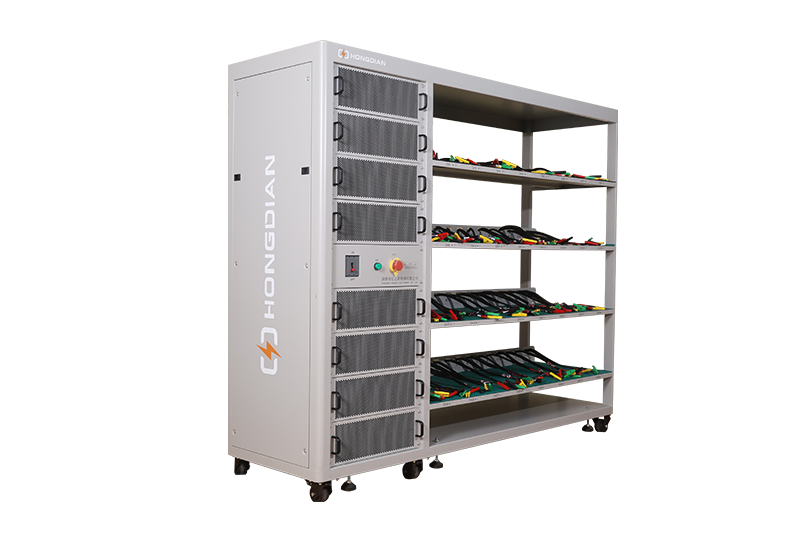 32/48 channel battery charging and discharging test integrated battery cabinet
 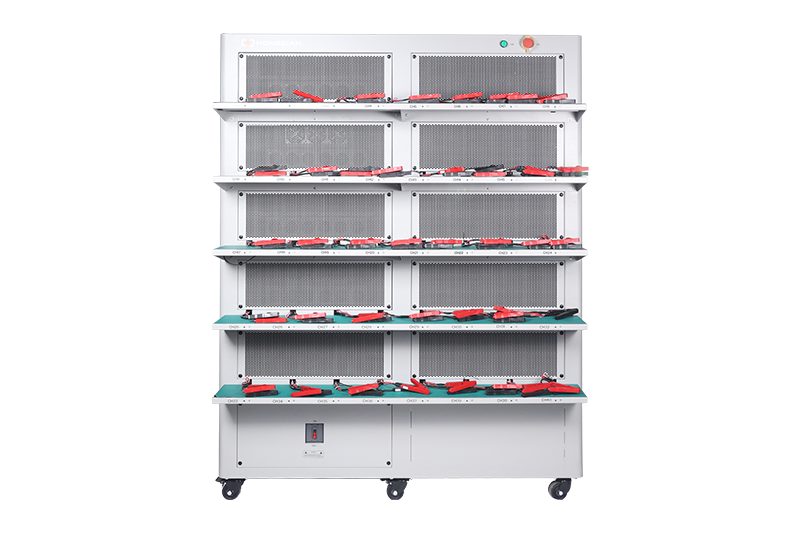 40 channel battery charging and discharging test integrated battery cabinet
  64 channel battery charging and discharging test integrated battery cabinet
 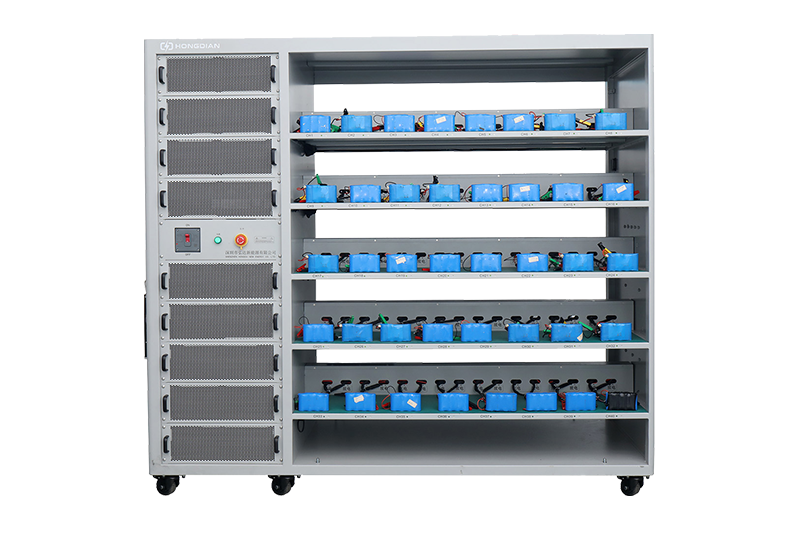 80 channel battery charging and discharging test integrated battery cabinet
 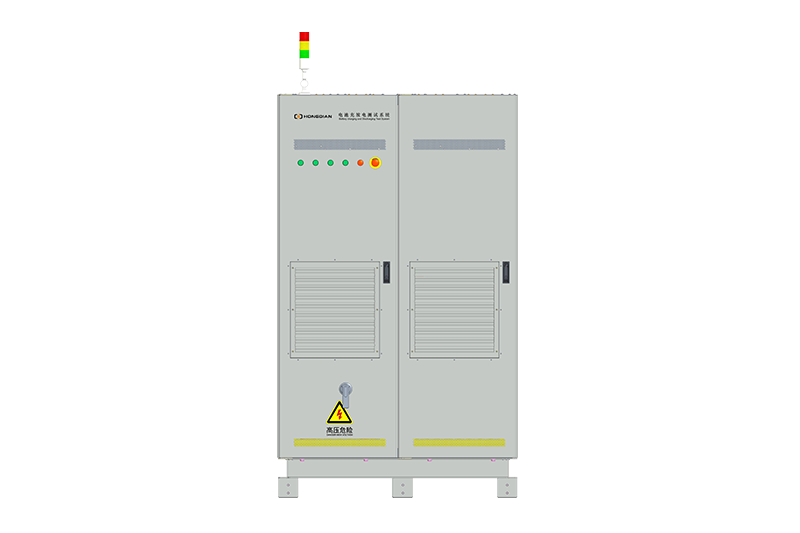 1000V-1500V High Voltage High Current Battery Testing System
 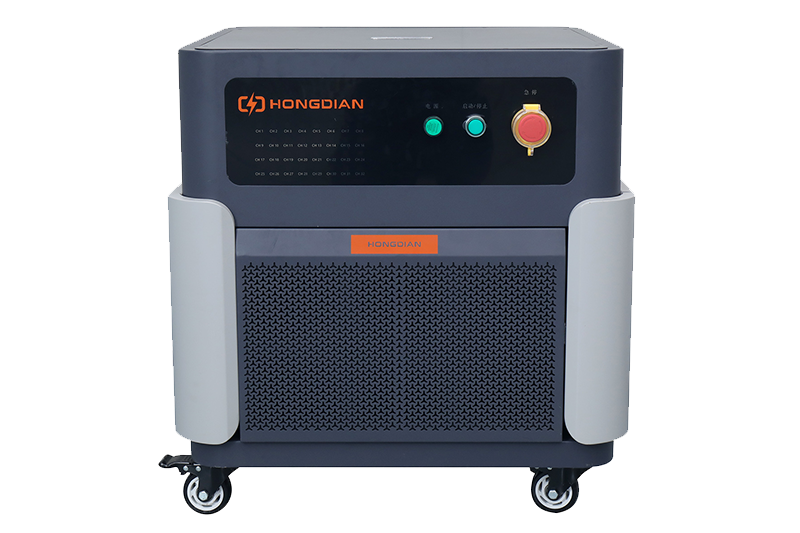 High-Precision Battery Testing System for Enhanced Performance Monitoring 30V/60V/100V/120V
 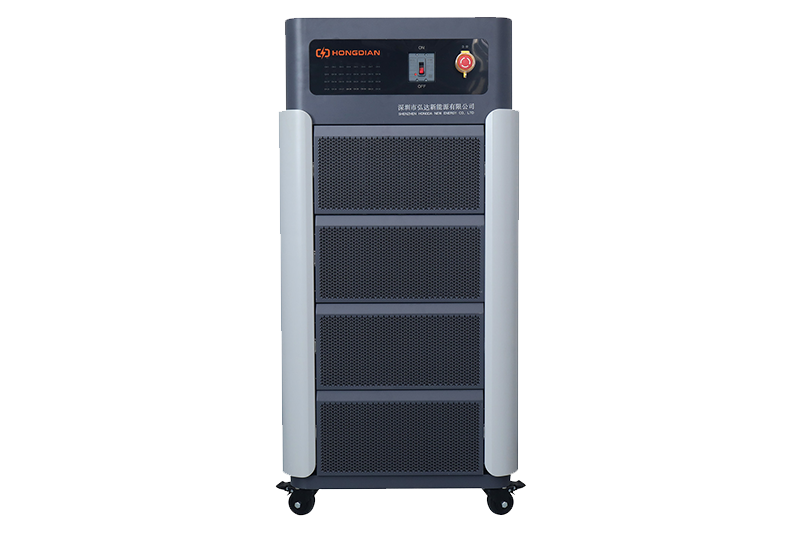 High-Precision Battery Charge Discharge Test Systems for EV Manufacturers
 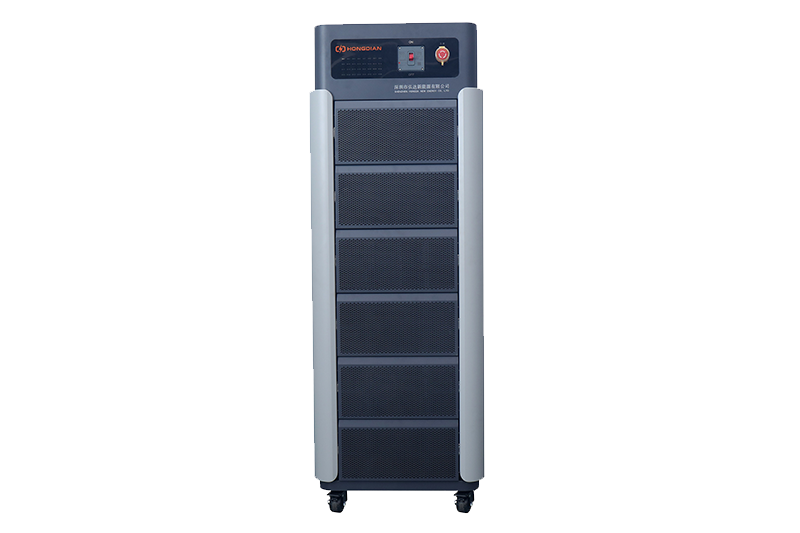 Precision Battery Test Racks for Cell Capacity & Internal Resistance Measurement
 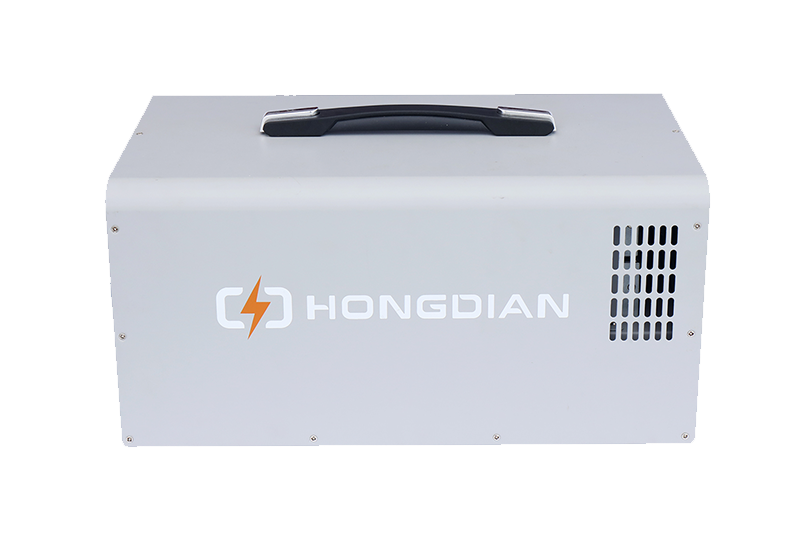 Multi-Channel Battery Testing Equipment for Parallel Performance Analysis