request to quote
Leave Your Message
0%

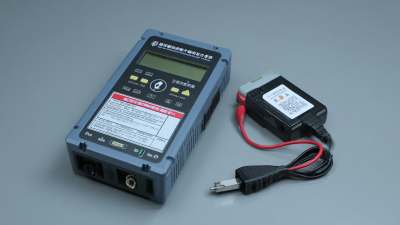
Hey there! In today’s fast-moving energy world, picking the right Nimh Battery Analyzer is more important than ever. As demand for rechargeable batteries keeps growing—so much so that the market’s expected to hit over $22 billion by 2025—it’s really crucial for both consumers and companies to get a handle on what makes a good battery analyzer. Shenzhen Hongda New Energy Co., Ltd. totally gets this. They've been successfully serving over a thousand customers and have expanded their sales network all around the globe. With a solid Nimh Battery Analyzer, you can really boost your battery’s performance, make it last longer, and keep everything safe no matter what you’re using it for. In this blog, I’ll share five easy tips to help you pick the best Nimh Battery Analyzer for what you need—so you can count on a reliable power solution down the line.

5 Essential Tips for Choosing the Best Nimh Battery Analyzer for Your Needs

Choosing the Right Nimh Battery Analyzer: Key Technical Specifications to Consider

Picking out the right NiMH battery analyzer isn't just about grabbing the fanciest one on the shelf—it's really about paying attention to the key specs that match what you actually need. For starters, you wanna look at the supported voltage range. Interestingly, a detailed report from Smithers Pira points out that most consumer NiMH batteries—like the ones you find in everyday gadgets—sit between 1.2V and 1.4V per cell. So, it’s smart to choose an analyzer that covers that range to get accurate readings when testing or charging. Plus, if it supports different cell types like AA, AAA, C, and D, that’s a total plus because it makes the analyzer super versatile and ready for various uses.

Another thing to keep in mind is the discharge current it can handle. A market analysis from Research and Markets mentions that top-notch analyzers can usually manage discharge currents from around 0.1A up to 5A—big difference there! That’s great because it means you can run your tests without worrying about damaging your batteries. Also, features like data logging or a clear digital display really boost the overall experience. Analyzers that let you see real-time stats—like voltage, capacity, and internal resistance—are absolute lifesavers for checking battery health and making sure everything’s running smoothly, especially now that everyone and their grandma is into better energy storage solutions, whether for personal gadgets or bigger industrial stuff.

5 Essential Tips for Choosing the Best Nimh Battery Analyzer for Your Needs

Specification Description Importance
Voltage Range Ability to measure batteries between 1.2V to 14.4V Ensures compatibility with various NiMH battery sizes
Charge/Discharge Rate Rate at which the battery can be charged or discharged (C-rate) Affects efficiency and longevity of Battery Testing
Display Type LCD or LED display for monitoring test results Clear visibility of results for accurate data analysis
Data Storage Capacity to store multiple test results Useful for tracking performance over time
Software Compatibility Ability to connect to PC for data analysis Enhances analysis with advanced software capabilities

Understanding Charge and Discharge Rate: A Vital Factor for Performance Evaluation

When you're choosing a Nimh battery analyzer, it's pretty important to understand how the charge and discharge rates work—that's key to getting a good read on performance. From what I’ve seen in industry reports, most Nimh batteries usually charge somewhere between 0.5C and 1C. Discharging, on the other hand, can go up to about 3C, but obviously, it depends a lot on what the battery’s being used for and how it’s built. These rates aren’t just technical details—they actually affect how well your analyzer performs and, more importantly, how long your batteries last. A really good analyzer can keep an eye on these rates accurately, giving you some handy data to help boost your batteries’ lifespan and overall performance. Nimh batteries are everywhere—from everyday gadgets to electric cars, so making sure you test them properly makes a big difference.

At Shenzhen Hongda New Energy Co., Ltd., we totally get how crucial measuring performance is, especially as renewable energy keeps growing fast. That’s why we’re dedicated to providing top-notch solutions that have already helped over a thousand clients all around the world. Using the latest technology, our analyzers give you super reliable readings of charge and discharge rates—crucial info to keep your batteries healthy and performing at their best. Our products are trusted by businesses everywhere looking to step up their energy management game, no matter where they’re located.

Importance of Cycle Life Analysis: Enhancing Battery Longevity and Efficiency

When you're picking out a NiMH battery analyzer, it’s really important to get what's up with cycle life analysis. Basically, cycle life is just how many times your battery can be fully charged and drained before it starts losing its capacity. If you choose an analyzer that clearly shows you this info, it helps you make smarter decisions about taking care of your batteries. That way, you can squeeze more life out of them and keep them performing well.

A good tip is to look for one with cool features that track how cycle life changes over time. This way, you can see how your batteries hold up under different conditions, and tweak your charging habits accordingly. Also, it’s super helpful if the analyzer gives detailed data—like discharge speeds or temperature info—so you can figure out what’s maybe causing your batteries to degrade faster.

And don’t forget about real-time monitoring! An analyzer that shows data as it happens allows you to catch problems early and make quick adjustments. All in all, focusing on these features when choosing a NiMH battery analyzer will seriously improve how you manage your batteries, making sure they last longer and perform better in the long run.

Cycle Life Analysis of NiMH Battery Analyzers

Analyzing Compatibility: Ensuring Your Analyzer Works with Various Nimh Types

When you're on the lookout for a NiMH battery analyzer, one of the big things to keep in mind is whether it’s compatible with different types of NiMH batteries. You know, manufacturers can have their own specs, which sometimes means batteries perform a bit differently or behave unpredictably when it comes to charging and discharging. So, before you hit that buy button, it’s a good idea to double-check that the analyzer can handle the brands and models you plan to use. Nobody wants surprises later on!

Plus, it’s smart to see if the analyzer supports a variety of capacities and configurations within the NiMH range. Having that kind of versatility not only makes your life easier but also means your device stays useful even as new battery tech pops up. Look for one that clearly states what it’s compatible with—that way, you avoid wasting time and getting frustrated trying to analyze batteries it just isn’t designed for. By paying attention to compatibility, you’ll make sure your testing is smooth, accurate, and that your batteries get the proper care they need.

Advanced Features: Data Logging and Software Integration for Better Insights

When you're choosing a NiMH battery analyzer, you might want to look for features like data logging and software integration—these can really make a difference in how you use the tool. Data logging, for example, lets you keep track of how your batteries perform over time. It’s like having a record of usage patterns and knowing when things start to wear out. This way, you can figure out which batteries last longer and which ones might need replacing, helping you manage your batteries smarter overall.

On top of that, software integration makes life so much easier. Lots of the newer analyzers come with software that you can hook up to, giving you real-time monitoring, detailed reports, and even predictions about your batteries’ future performance. It’s pretty handy because it simplifies keeping tabs on everything, and you can adjust testing settings to suit what you’re looking for. All these features give you the tools you need to make smarter decisions about your batteries—saving you time, money, and frustration, and helping your power systems last longer.

5 Essential Tips for Choosing the Best Nimh Battery Analyzer for Your Needs

Cost vs. Performance: Evaluating ROI on Your Battery Analyzer Investment

When you're looking into getting a NiMH battery analyzer, it’s really key to find that sweet spot between what you’re spending and what you’re getting in terms of performance. I mean, if you look at the numbers, MarketsandMarkets reports that the market for these analyzers is expected to grow from around $400 million in 2021 to over $650 million by 2026. That just shows how much people are finally realizing how important these tools are for managing batteries properly. Sure, opting for a top-notch analyzer might cost a bit more upfront, but honestly, it can save you a lot in the long run—like avoiding those pesky battery failures and really getting the most out of your batteries.

When choosing, pay attention to things like how accurate the device is, how fast it tests, and features like data logging, which can be super helpful. Research from IDTechEx points out that advanced analyzers can cut down testing downtime by up to 30%. That’s a big deal because it means you can keep things running smoothly without unnecessary stops. Plus, tools that can do cycle life testing and measure internal resistance give you valuable insights—stuff that can actually help your batteries last longer. So, honestly, picking the right NiMH analyzer isn’t just about spending money; it’s more like a smart move—an investment in managing your batteries better and saving you money in the long run.

5 Essential Tips for Choosing the Best Nimh Battery Analyzer for Your Needs

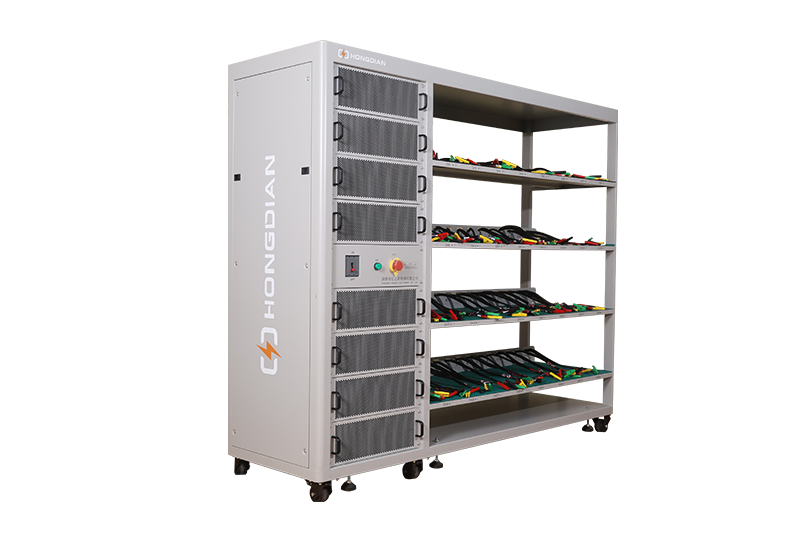
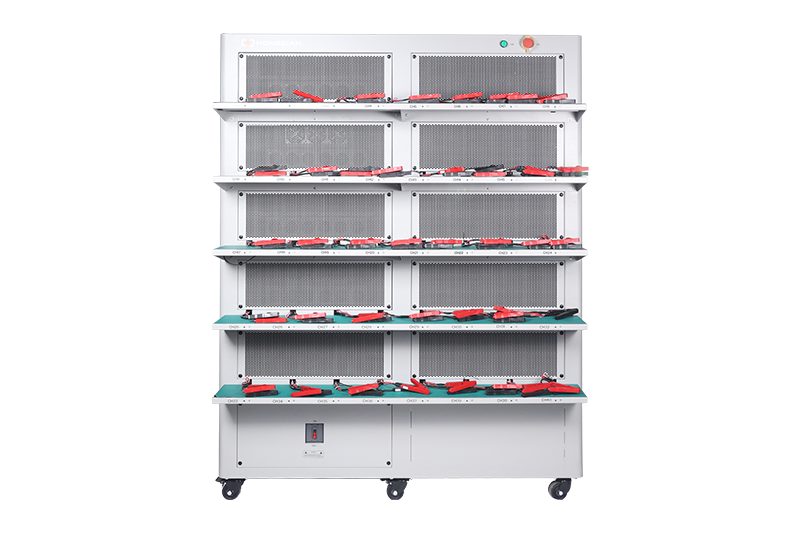
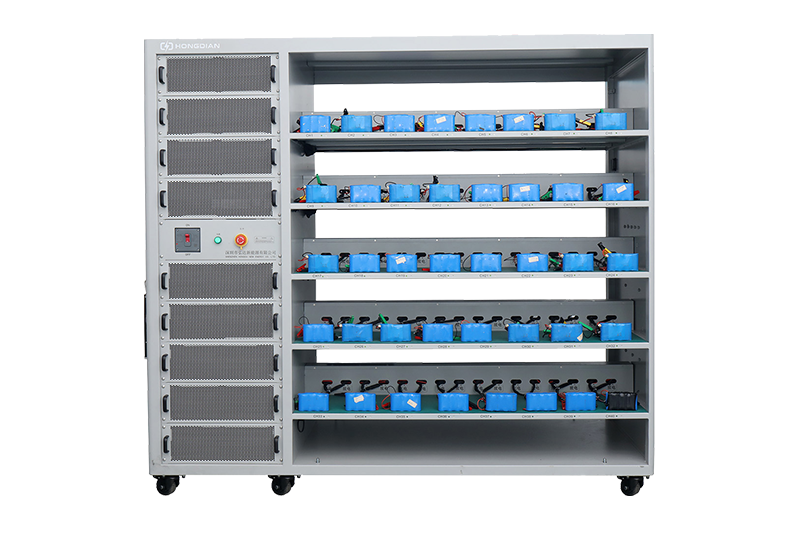
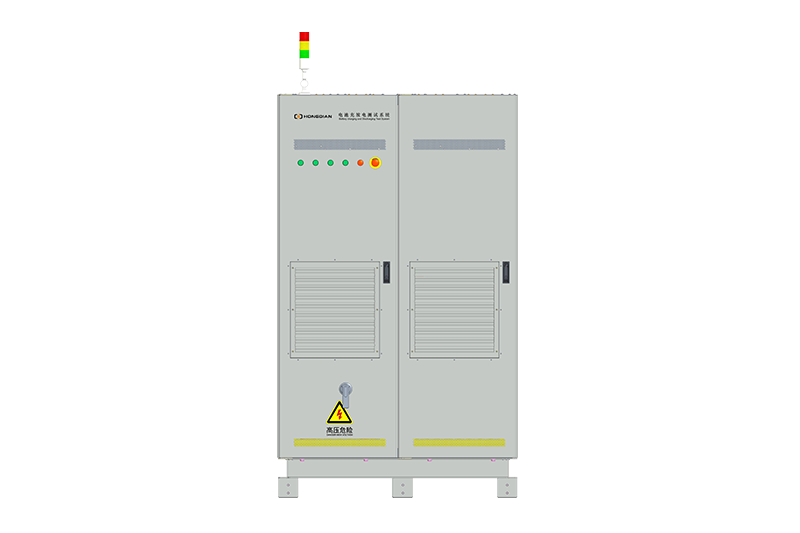
Enhancing R&D Efficiency: Insights from Industry Reports on Industrial-Grade Battery Cycle Life Test Chambers 60V/100V/120V

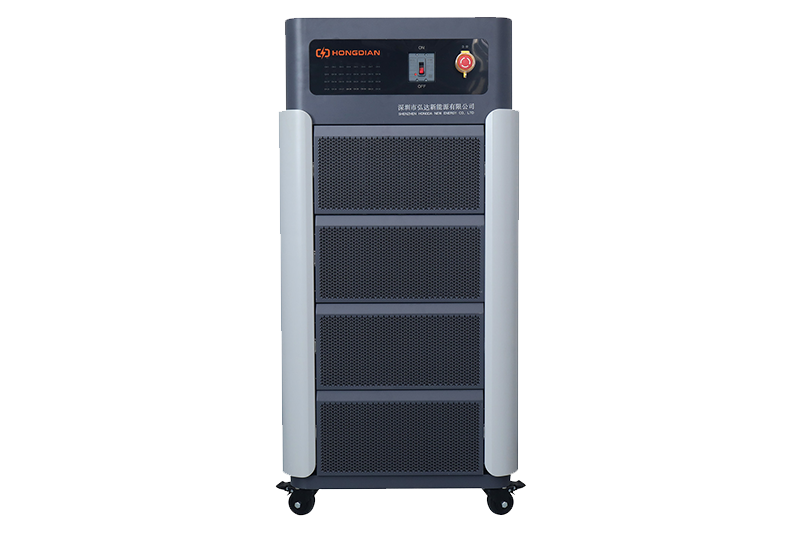
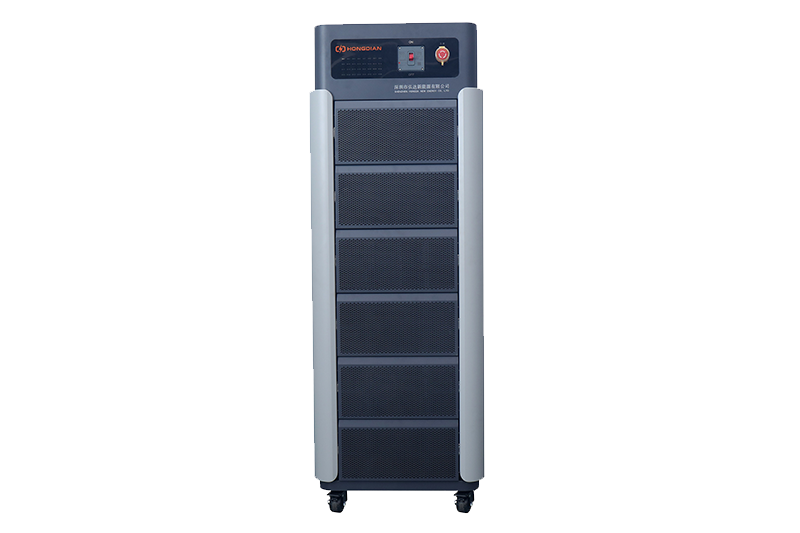
The efficiency of research and development (R&D) in the battery sector is paramount, particularly as industries strive to improve energy solutions. A critical factor in enhancing R&D efficiency lies in the utilization of industrial-grade battery cycle life test chambers, specifically designed for rigorous testing at voltage levels of 60V, 100V, and 120V. These test chambers provide controlled environments that facilitate accurate assessments of battery performance, longevity, and safety, ensuring that developers can optimize their products based on reliable data.

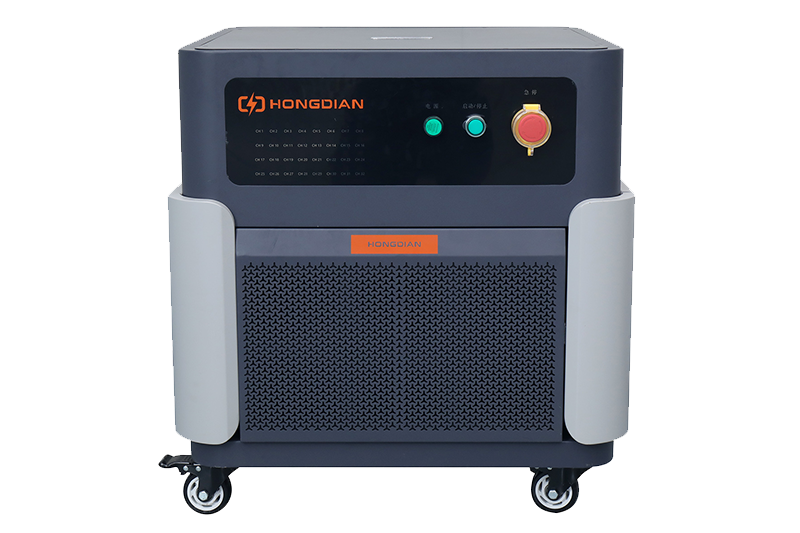
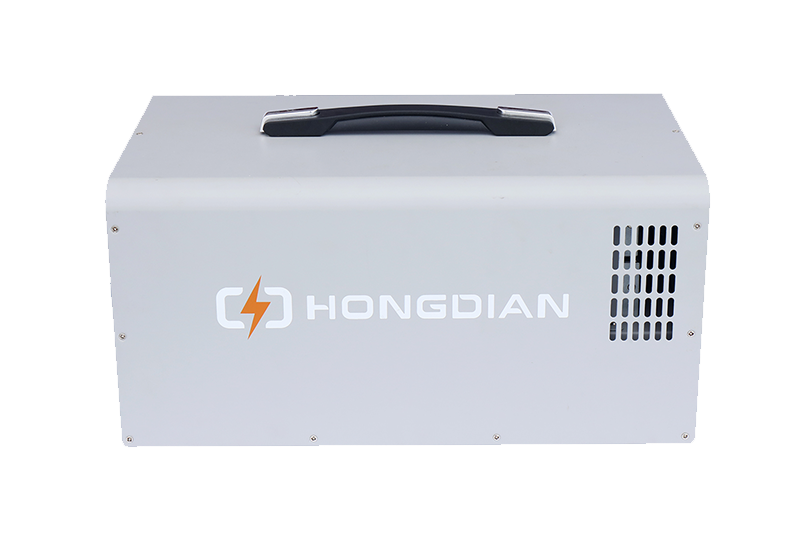
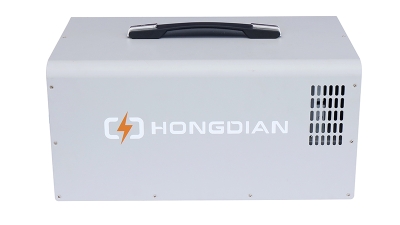
In this context, the introduction of compact portable cabinets for battery testing stands out as a game-changer. These innovative cabinets are designed to accommodate efficient charge and discharge testing while occupying minimal space. Their portability allows researchers and engineers to perform tests in various locations, increasing accessibility and flexibility in R&D environments. With such tools at their disposal, teams can streamline their testing processes, facilitating quicker iterations and enhancements to battery technology, ultimately leading to superior energy solutions. The combination of advanced test chambers and compact testing cabinets exemplifies the progression towards more efficient R&D practices in the ever-evolving battery industry.

FAQS

: What voltage range should a NiMH battery analyzer support?

: A good NiMH battery analyzer should accommodate a voltage range of 1.2V to 1.4V per cell, as most consumer-grade NiMH batteries operate within this range.

What is the importance of discharge current capability in a battery analyzer?

The discharge current capability is crucial because high-quality analyzers can accommodate discharge currents from 0.1A to 5A, allowing users to test batteries without risking damage.

Why are data logging and digital displays valuable features in a NiMH battery analyzer?

Data logging and digital displays enhance usability by providing real-time monitoring of voltage, capacity, and internal resistance, which are essential for evaluating battery health and performance.

What are the average charge and discharge rates for NiMH batteries?

The average charge rate for NiMH batteries typically ranges from 0.5C to 1C, while discharge rates can peak up to 3C, depending on the application and battery design.

How can performance measurement impact battery longevity?

Accurate performance measurement through analyzers helps optimize charge and discharge rates, thereby enhancing the longevity and reliability of NiMH batteries.

Why is compatibility important when selecting a NiMH battery analyzer?

Compatibility is important to ensure the analyzer can work with various types of NiMH batteries and specific brands or models, preventing potential frustration and inaccuracies during analysis.

What should buyers look for to future-proof their investment in a battery analyzer?

Buyers should look for analyzers that support a range of capacities and configurations within the NiMH category, as this enhances utility and accommodates evolving battery technologies.

How can the choice of an analyzer affect energy management strategies?

Selecting a reliable and effective analyzer ensures accurate performance measurements, which is crucial for enhancing energy management strategies in both consumer and industrial sectors.

What is the relevance of state-of-the-art technology in battery analyzers?

State-of-the-art technology in battery analyzers enables precise readings that are vital for evaluating charge and discharge rates, contributing to optimal battery health.

What should users ensure about an analyzer before making a purchase?

Users should ensure the analyzer explicitly states its compatibility range with different NiMH battery types to facilitate seamless and efficient analysis.

Ethan

Ethan

Ethan is a dedicated marketing professional at Shenzhen Hongda New Energy Co., Ltd., where he has been instrumental in expanding the company's reach and enhancing its brand presence globally. With a deep understanding of the company's innovative products, Ethan plays a crucial role in the strategic......
Previous Unlock Global Opportunities with Acid Battery Testers at the 137th Canton Fair