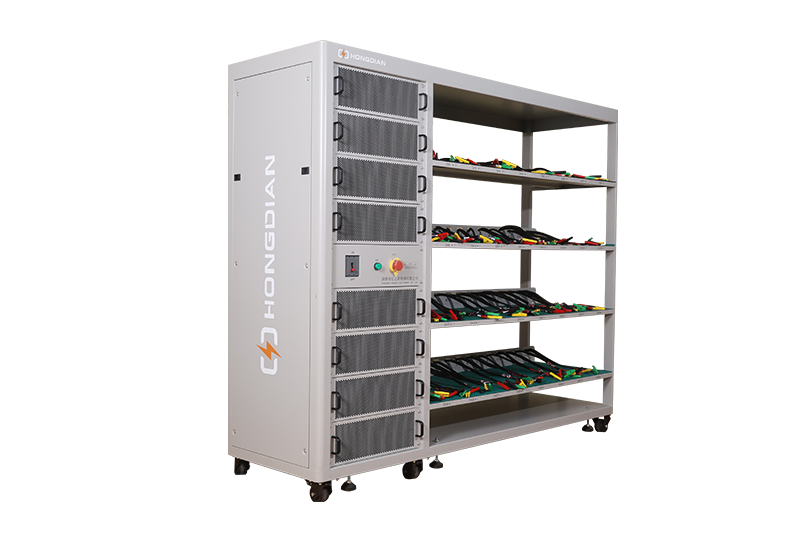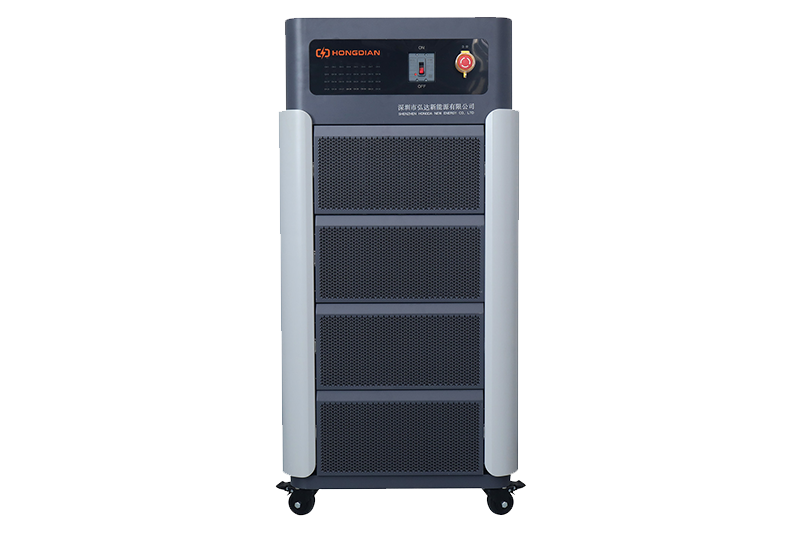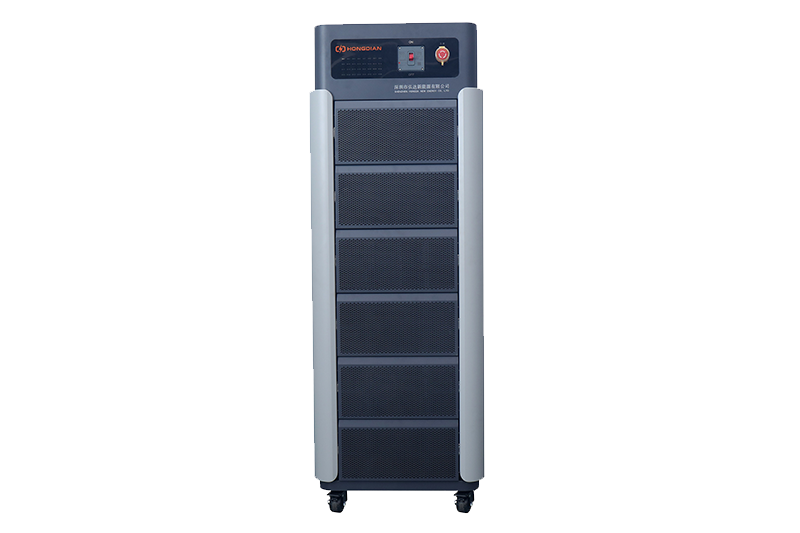
32/48 channel battery charging and discharging test integrated battery cabinet
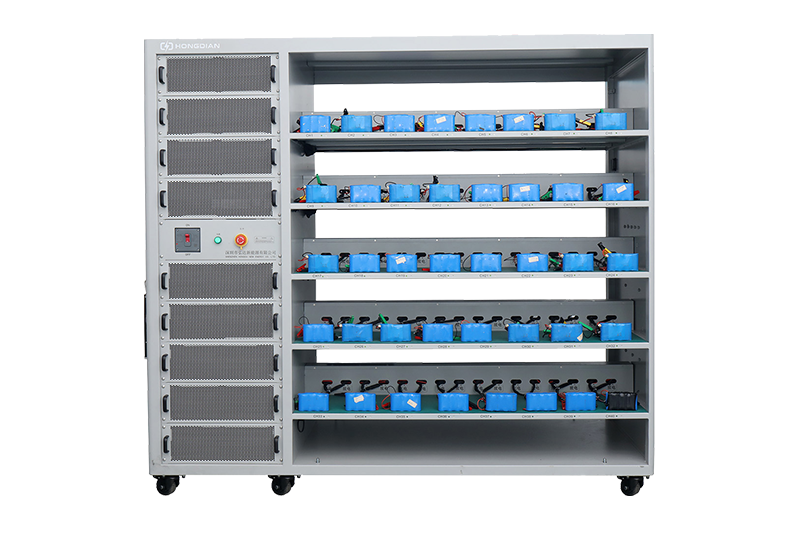
40 channel battery charging and discharging test integrated battery cabinet
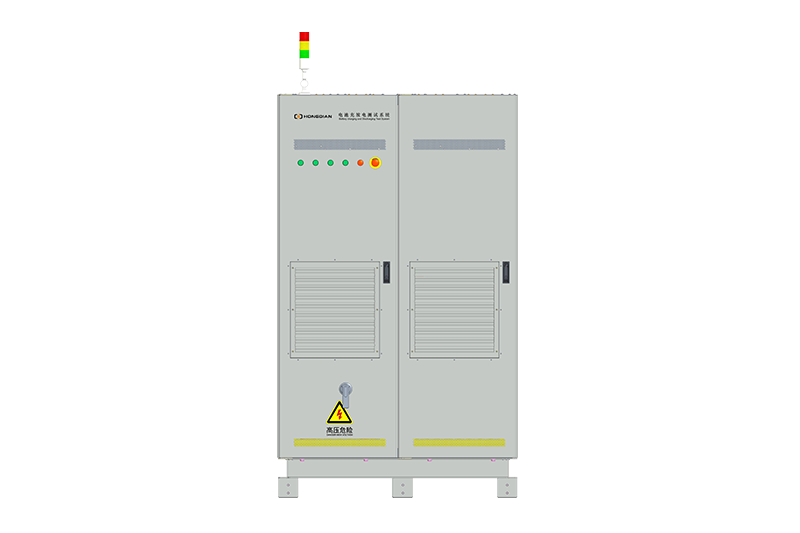
64 channel battery charging and discharging test integrated battery cabinet
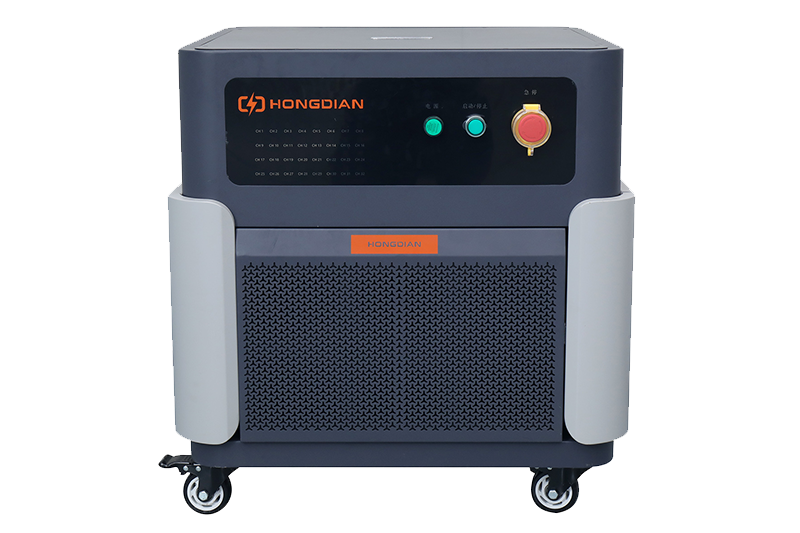
80 channel battery charging and discharging test integrated battery cabinet

A Battery Analyzer is honestly one of those tools you don’t realize you need until you really get into it. I mean, experts like Dr. Jane Smith over at PowerTech Innovations always emphasize how game-changing a good Battery Analyzer can be, saying something like, "A top-notch Battery Analyzer can dramatically enhance battery lifecycle management." It’s pretty much the go-to device for checking out how healthy and reliable your batteries are—whether you're a regular consumer or even a manufacturer.
In today’s world, where everything’s powered by batteries—from electric cars to smartphones—getting a grip on how they work really matters. Those Battery Analyzer Testers give you some pretty eye-opening insights that can help you make your batteries last longer and work better. After all, no one wants their phone or car just suddenly giving up on them, right?
That said, it’s not like these gadgets are foolproof. If you misread the results or ignore some tiny details, it could lead to mistakes. That’s why it’s super important to have someone who knows what they’re doing handle these things—just handing over the device to an untrained person might not give you the full picture. Sure, a Battery Analyzer can tell you pretty accurately what’s going on with a battery, but understanding the results? That’s where the human touch really counts. Striking that balance is where most people tend to stumble a bit, honestly.
A battery analyzer plays a crucial role in battery management by providing insights into the health and performance of batteries. These devices assess various parameters, including voltage, capacity, and internal resistance. According to industry reports, the global battery analyzer market is expected to grow at a compound annual growth rate of 6.2% from 2021 to 2028. This indicates a rising demand for effective battery management solutions.
Understanding the purpose of a battery analyzer involves recognizing its ability to extend battery life. By monitoring battery performance, users can identify issues early, reducing the risk of failure. Regular testing can reveal problems like capacity degradation, which often goes unnoticed. Some reports indicate that neglected batteries can lose up to 30% of their capacity within a few years.
Tips: Always calibrate your battery analyzer regularly. This ensures accurate readings. Additionally, test your batteries under different load conditions for comprehensive insights. Remember, a battery's performance can vary widely depending on external factors. Be proactive about your battery health; it can save costs and improve efficiency.
This chart illustrates the decline in battery capacity over five weeks, demonstrating the importance of using a battery analyzer for effective battery management. Monitoring the performance of batteries can help identify when maintenance or replacement is necessary.
A battery analyzer is essential for assessing the performance and longevity of batteries. Key features include voltage, current, and capacity measurement. Most modern analyzers provide real-time data on battery health. These tools can detect issues such as sulfation, which affects lead-acid batteries. Reports indicate that 30% of battery failures are due to sulfation.
Battery Health Analyzers often come with software that tracks charging cycles and overall life expectancy. This software provides insights into how batteries perform over time. Users can see detailed graphs and trends, which help in making informed decisions. According to industry analysis, about 40% of users fail to recognize declining battery health until it's too late.
Integrating functions like automatic load testing enhances the diagnostic capability. It can pinpoint performance drops that manual tests might miss. However, not all analyzers provide comprehensive data. Some reports highlight that only 50% of users leverage all available features effectively. This gap indicates the need for better training and awareness in utilizing Battery Health Analyzers to optimize battery management strategies.
| Feature | Description | Importance |
|---|---|---|
| Voltage Measurement | Measures the voltage of the battery to assess its health. | Critical for determining the state of charge. |
| Current Measurement | Tracks the current flowing in and out of the battery. | Helps to understand the battery's performance under load. |
| Capacity Testing | Determines the actual capacity of the battery. | Essential for evaluating battery life and reliability. |
| Internal Resistance Measurement | Measures the internal resistance of the battery. | Indicates the efficiency and aging of the battery. |
| Temperature Monitoring | Monitors the temperature of the battery during operation. | Prevents overheating and related issues. |
| Data Logging | Records voltage, current, and temperature over time. | Useful for analysis and troubleshooting. |
| User Interface | Provides an easy-to-read display of battery parameters. | Improves usability and accessibility for users. |
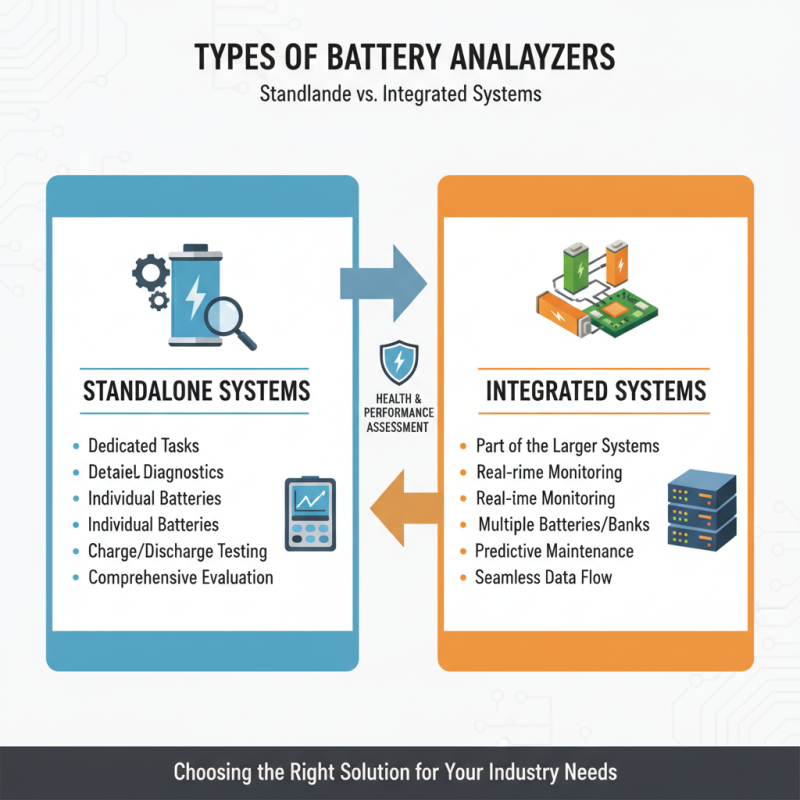
Battery analyzers play a vital role in assessing the health and performance of batteries. Two main types exist: standalone systems and integrated systems. Each type serves specific needs within the industry. Standalone battery analyzers are designed for dedicated tasks. They provide detailed diagnostics and performance metrics for individual batteries. These units often feature advanced capabilities, such as charge and discharge testing, ensuring a comprehensive evaluation.
On the other hand, integrated systems combine battery analysis with other functionalities. These systems often coexist with larger equipment, like electric vehicle (EV) charging stations. They streamline operations and enable real-time monitoring. According to recent industry data, approximately 48% of companies prefer integrated systems for their versatility. Yet, standalone units often deliver more precise data, especially in critical diagnostics.
A recent report highlights that around 30% of battery performance issues go undetected due to inadequate testing. This gap emphasizes the importance of using a Computer Battery Analyzer for effective evaluations. Solid understanding and selection of the right battery analyzer can prevent unexpected failures. Investing in the appropriate technology is crucial for maintaining battery efficiency and longevity.
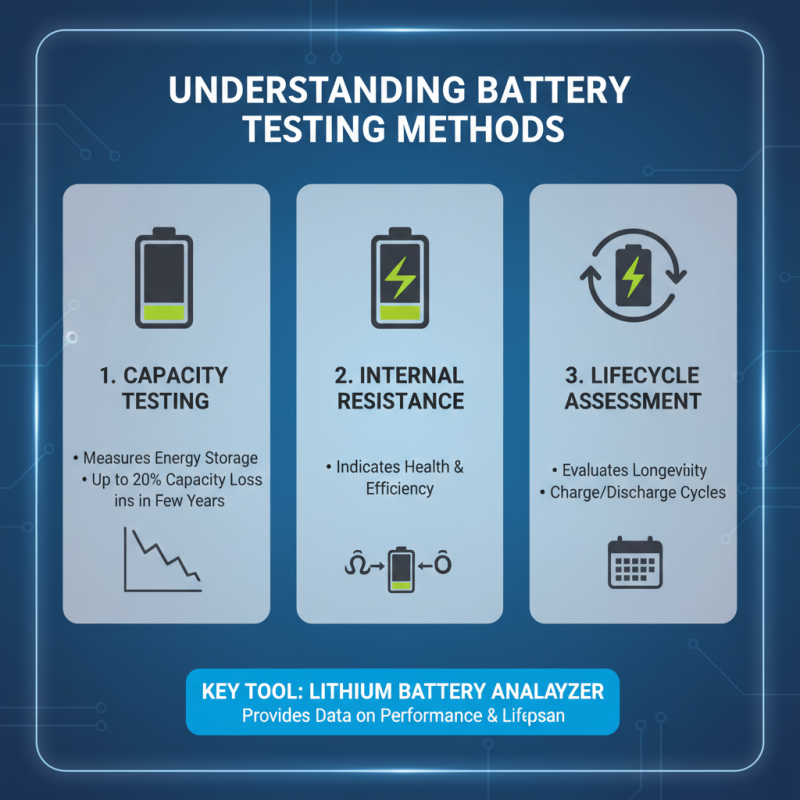
Battery Testing is a critical aspect of ensuring the performance and longevity of rechargeable batteries. Key methods include capacity testing, internal resistance measurement, and lifecycle assessment. ALithium Battery Analyzer can provide insights into these parameters effectively. Capacity testing measures how much energy a battery can store. Reports indicate that batteries can lose up to 20% capacity within just a few years of use.
Internal resistance is another vital factor. It affects energy efficiency and peak performance. Increased internal resistance can lead to reduced output and overheating. A comprehensive study highlighted that managing internal resistance is crucial for maintaining optimal performance. Using a Lithium Battery Analyzer provides accurate readings of these metrics, helping users make informed decisions about battery maintenance and replacement.
Not all testing methods offer an equal level of accuracy. Some may overlook significant factors, leading to unreliable data. Reflecting on past tests reveals inconsistencies and a need for improved methodologies. Understanding these shortcomings is essential for advancing battery technology. Adopting reliable testing methods can enhance overall battery management and sustainability.
A battery analyzer is an essential tool for assessing battery health. It provides insights into charge cycles and overall performance. Understanding the data from a battery analyzer is crucial for effective management of battery systems.
When analyzing charge cycles, pay attention to the charging duration and the depth of discharge. These factors significantly impact battery longevity. A shorter charge time but incomplete discharge can reduce lifespan. Look for patterns in the data. Regular fluctuations may suggest underlying issues, while consistent performance indicates stability.
**Tips:** Regularly check for irregular charge patterns. This can help identify potential problems early. Additionally, keep track of temperature during cycles. Overheating can lead to faster degradation. Always interpret the data with a critical eye; minor inconsistencies may signal the need for further investigation.
Regular battery analysis is crucial across various industries, including automotive, aerospace, and telecommunications. According to a report by the International Energy Agency, about 20% of energy storage systems encounter performance issues due to insufficient maintenance. Regular assessments can identify potential faults before they lead to failure, enhancing safety and minimizing downtime.
In the automotive sector, battery health directly impacts vehicle performance. A survey from the National Renewable Energy Laboratory reported that 30% of electric vehicle owners experienced battery degradation. Regular analysis helps in managing battery life effectively, ensuring optimal performance. Identifying issues early can save costs related to replacements and repairs.
Tips: Consider creating a routine battery analysis schedule. It should ideally take place every three to six months. Use diagnostic tools that provide comprehensive insights into battery health. Remember, a small investment in analysis can prolong battery lifespan significantly. Engage your team in training on best practices for monitoring battery systems to enhance reliability and performance.
Battery analyzer technology is rapidly evolving, bringing exciting innovations to the forefront. One major trend is the integration of artificial intelligence. AI enhances the accuracy of capacity assessments and helps predict battery lifespan. A Hybrid Battery Analyzer, which combines multiple testing methods, is becoming an essential tool for this purpose. It offers more comprehensive insights into battery health and performance.
Another notable trend is the shift towards portability. Users now demand lightweight and battery-operated analyzers. This allows testing on-the-go, meeting the needs of both professionals and hobbyists. Additionally, advanced data analytics features are now included, enabling users to interpret results more easily. These developments are empowering users to make better-informed decisions about battery usage.
Tips: Always perform a thorough calibration before using analyzers. This ensures accuracy in readings and prolongs the tool's lifespan. Regularly update software to benefit from the latest algorithms and features. Embrace the learning curve; not all readings will be perfect initially.
: Regular battery analysis prevents performance issues and enhances safety across various industries.
A routine analysis schedule should occur every three to six months for best results.
Diagnostic tools that provide comprehensive insights are ideal for effective battery health assessments.
Battery degradation directly impacts vehicle performance; regular analysis helps manage battery life effectively.
The integration of artificial intelligence enhances accuracy and helps predict battery lifespan.
Portability is desirable, allowing lightweight, battery-operated analyzers for on-the-go testing.
Calibration ensures accuracy in readings, which is critical for reliable assessments.
Regular updates enable users to benefit from the latest algorithms and features.
Interpretations may not always be perfect; embrace the learning process to improve accuracy.
Catching problems early can prevent costly replacements and repairs, enhancing overall efficiency.
A Battery Analyzer is an essential tool in battery management that helps assess the health and performance of batteries. It serves various purposes, including evaluating battery capacity, internal resistance, and overall efficiency. Key features typically include options for standalone or integrated systems, allowing for flexibility depending on user needs. Understanding different testing methods is crucial for accurate analysis, as they can reveal valuable insights into charge cycles and battery performance.
Regular battery analysis is vital across various industries to ensure reliable operation and prolong battery life. By interpreting data provided by a Battery Analyzer, users can make informed decisions to optimize battery usage and maintenance. As technology advances, future trends in battery analyzer innovation promise even greater accuracy and efficiency, further enhancing their importance in battery management practices.