Hey, in today’s world where tech is pretty much everywhere, our smartphones and laptops are just part of everyday life, right? We really depend on how well these devices work. But here’s the thing—your battery’s health actually plays a big role in whether your device runs smoothly or not. Did you know that lithium-ion batteries can lose about 20% of their capacity just after two years? That’s kind of shocking, but it’s good to know because it affects how long your device will last. Whether you’re a regular user or running a business, understanding this decline can seriously help you stay ahead.
There’s this handy tool called a Battery Health Checker. It’s super useful for figuring out how your battery’s doing. According to TechCrunch, almost 78% of folks complain that their batteries don’t last as long anymore, which gets really frustrating. If you don’t keep an eye on it, you might not even realize that your device’s lifespan is taking a hit. That’s why it’s so important to check in on your battery every now and then.
And here’s the thing—batteries don’t just suddenly stop working well; issues can creep up over time. Using a Battery Health Checker can help you catch problems early, before they turn into big headaches. Honestly, a lot of people overlook this, but taking the time to monitor your battery can save you from unexpected malfunctions and help your device stay in good shape longer. Basically, keeping your devices running smoothly isn’t just about charging them; it’s about being mindful and proactive about their health. Trust me, a little effort now can make a real difference down the line.
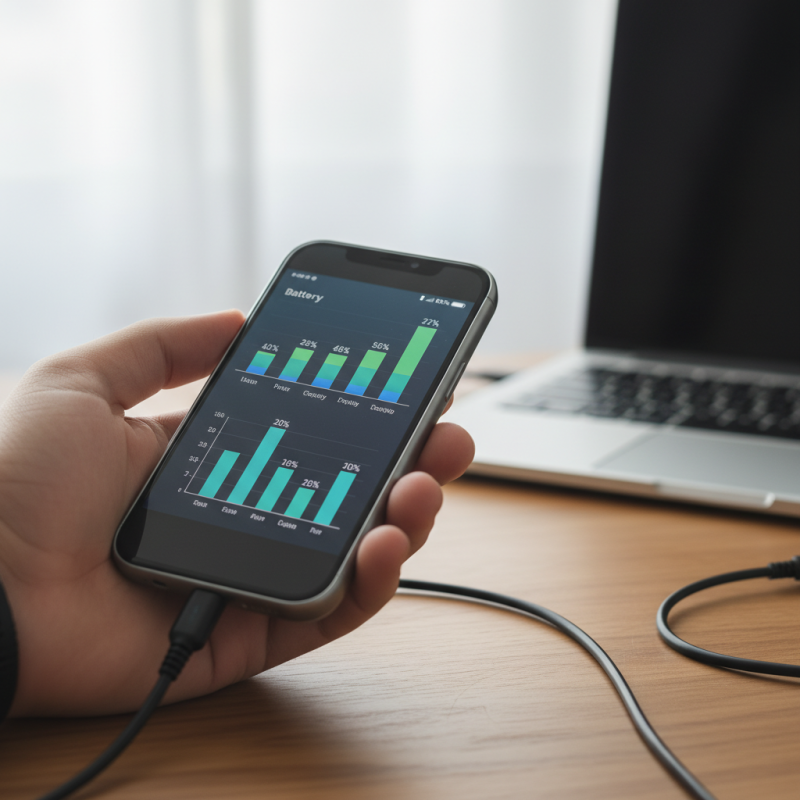
What is a Battery Health Checker?
A battery health checker is a tool designed to assess the condition of a battery. It can give insight into how well a battery functions. This is essential for devices like smartphones, laptops, and electric vehicles. Users often overlook battery care, leading to performance issues. Understanding battery health can prevent unexpected shutdowns.
These checkers analyze various factors. They evaluate charge cycles, voltage, and overall capacity. By measuring these metrics, a battery health checker provides a score or status. This information helps users make informed decisions. However, not all checkers are accurate. Some might offer misleading results. It’s crucial to use reliable tools and understand their limitations.
Regular monitoring can extend battery life. Users should check their battery health periodically. A simple check can reveal potential problems before they escalate. Ignoring these signs could lead to larger issues later. Despite the convenience of technology, some still neglect proper battery maintenance. It's a common mistake. Awareness is key to better battery management.
The Importance of Monitoring Battery Health
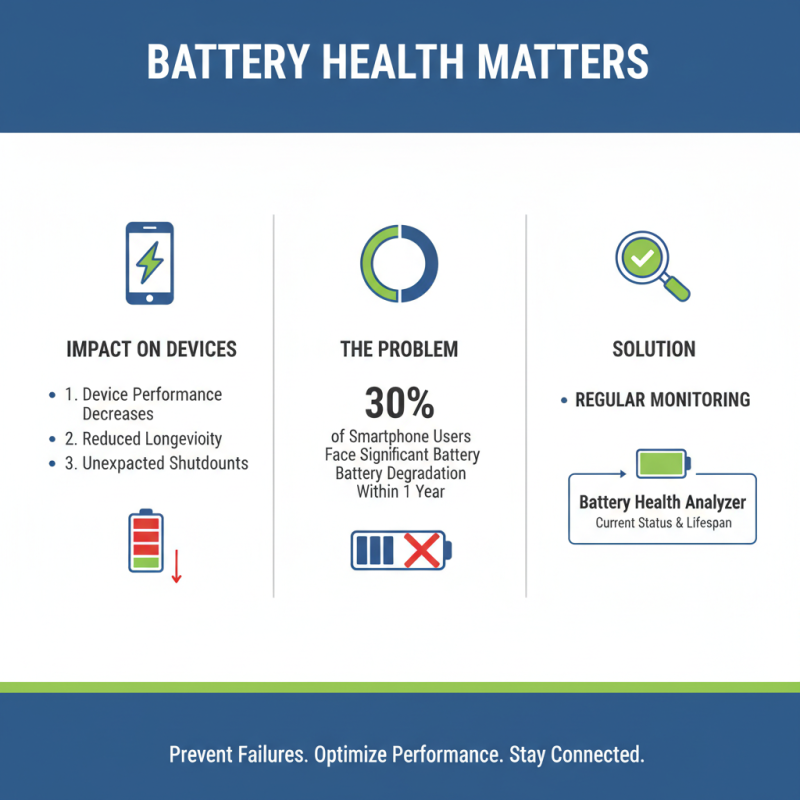
Monitoring battery health is crucial as it directly impacts device performance and longevity. Studies show that nearly 30% of smartphone users experience significant battery degradation within the first year. Regularly assessing battery health can help prevent unexpected failures. A Battery Health Analyzer provides insights into the current status and potential lifespan of batteries.
Over time, battery efficiency declines due to factors like charging cycles and temperature variations. For instance, deep discharges can reduce battery capacity by up to 40%. Understanding these factors helps users make informed decisions. Keeping batteries at optimal temperatures can extend their lifespan.
Neglecting battery health can lead to decreased productivity. Many users overlook signs of battery issues until it's too late. Utilizing a Battery Health Analyzer allows for proactive maintenance. This process helps avoid sudden shutdowns and improves overall device sustainability. The more users learn about their battery health, the better they can manage their devices.
How Battery Health Checkers Function
Battery health checkers are essential tools for monitoring the performance of rechargeable batteries. They function by assessing various parameters, such as charge cycle count, voltage, and temperature. Utilizing advanced algorithms, these checkers can predict the longevity of a battery. A study from the Battery University suggests that modern lithium-ion batteries lose about 20% of their capacity within the first two years of use. That's significant.
These devices often rely on built-in features within batteries that provide data for analysis. Some checkers report that around 30% of users neglect proper battery maintenance. This oversight can lead to unexpected shutdowns, affecting productivity. Accurate monitoring can also reveal issues early on. For instance, overheating cells can denote potential failures, risking safety. Regular health checks encourage better user habits and can extend the lifespan of batteries.
However, users must be aware of inherent limitations. Battery Checkers may not always detect subtle degradation. A true understanding of battery health requires utilizing multiple methods and checks. In some cases, manual intervention might be necessary. These factors highlight the need for a comprehensive approach to battery care. As technology evolves, greater emphasis on consistent monitoring will become crucial for optimizing battery usage.
Common Features of Battery Health Checkers
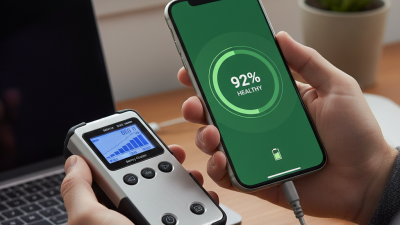
Battery health checkers are essential tools for monitoring the performance of your batteries. These checkers provide insights into battery capacity and charge cycles. They can help users understand when it's time for a replacement or if maintenance is needed. A Battery Health Tester shows you the current health status of your battery in a straightforward manner.
One common feature of battery health checkers is capacity assessment. This tells you how much charge your battery can hold compared to its original state. Another useful function is the charge cycle count. Each time your battery is charged and discharged, it counts as a cycle. Knowing how many cycles your battery has gone through can help gauge its longevity. Additionally, temperature sensors in some testers can alert you if your battery is overheating.
Many battery health checkers also provide recommendations for enhancing battery life. For instance, they may suggest optimal charging practices or advise on temperature conditions. However, not all battery checkers are equally effective. Some may lack accuracy or not be user-friendly. It's essential to assess your needs carefully and choose a checker that fits your lifestyle rather than simply relying on popular choices.
How to Use a Battery Health Checker
Using a battery health checker can extend the life of your devices. Most users don’t realize that batteries degrade over time. According to industry reports, lithium-ion batteries lose about 20% of their capacity after 500 cycles. Regular Battery Health Testing can identify potential issues early.
To use a battery health checker, start by downloading a reliable app or accessing built-in diagnostics. Make sure the device is charged to at least 30%. Then, run the tests as instructed. This process often takes only a few minutes. The checker will analyze charge cycles, battery capacity, and overall health status. Some apps provide detailed graphs, showing performance over time.
While using these tools, it’s important to be skeptical. Not all checkers provide accurate results. A few may misinterpret data, leading to false conclusions. Always consider checking multiple sources. If results from different applications vary, further investigation is necessary. Battery Health Testing isn't just about knowing the numbers; it's about understanding and managing your device’s longevity.
Interpreting Battery Health Results
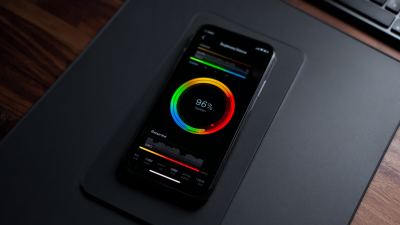
When using a battery health checker, understanding the results is crucial. Typically, battery health is measured as a percentage. A battery operating at 100% means it is new or functioning at optimal levels. As a battery ages, this percentage declines. Research indicates that lithium batteries can lose about 20% of their capacity after 1-2 years of use. This decline can lead to noticeable impacts on performance.
Interpreting battery health results can be tricky. Users often see metrics such as cycle count and voltage. High cycle counts might suggest diminished health. For example, a lithium battery may start struggling to hold a charge after 500 cycles. Voltage readings below the recommended range indicate potential issues. Regular checks can help in maintaining battery efficiency and prolonging lifespan.
However, many users might misinterpret their results. A battery showing 80% health may still hold enough charge for daily tasks. Yet, it could rapidly decline in performance under heavy use. Monitoring these metrics with a Lithium Battery Checker can help users make informed decisions about replacements and usage patterns. Each situation is unique, and variations in usage can lead to different interpretations of health status.
Tips for Maintaining Optimal Battery Health
Maintaining optimal battery health is crucial for the longevity of your devices. Regularly monitoring your battery's condition helps you avoid unexpected shutdowns. Here are some tips to keep your battery in good shape.
Keep your device's software updated. Developers often resolve issues that can drain battery life. Ignoring updates can lead to degraded performance. It's essential to ensure your settings are configured properly too. Reduce screen brightness. A lower setting not only saves battery but also lessens strain on your eyes.
Avoid leaving your device plugged in overnight. This habit may seem harmless but can shorten battery lifespan. Instead, unplug once fully charged. Frequent deep discharges can also be detrimental. Aim to keep your charge between 20% and 80% for optimal health. Monitor for heat during charging as well. Excess heat can permanently damage battery cells.
Understanding battery health is vital. Regular check-ins can reveal signs of wear and tear. If you notice irregular behavior, reflect on your usage habits. Small changes can make a big difference in battery life. Embrace conscious charging practices to extend its longevity.
FAQS
: Understand the key concepts and their implications. It’s essential to stay informed. Look for credible sources.
Apply the knowledge in real situations. Practice will enhance your understanding. Reflection is vital for improvement.
Yes, there can be potential risks. Be aware of your surroundings and make informed decisions.
It's okay to seek further clarification. Engage with experts or forums for deeper insights.
Follow reliable news outlets or online communities. Regular engagement will keep you informed and alert.
Reflection helps identify gaps in understanding. It encourages you to re-evaluate your approach and knowledge base.
Definitely. Hands-on experience often leads to better insights. Learning by doing can be more effective than theory alone.
Look for established research papers or recognized experts. Verify facts before trusting any information you read.
Take a break to clear your mind. Sometimes stepping back allows for better perspective and decision-making.
Yes, many forums and groups exist. Connecting with like-minded individuals can enhance your learning journey.
Conclusion
A Battery Health Checker is a tool designed to assess the overall condition of a battery, providing insights into its capacity, performance, and longevity. Monitoring battery health is crucial for optimal device functionality, particularly as batteries degrade over time due to regular use and charging cycles. By understanding battery health, users can make informed decisions about their devices and ensure they are operating efficiently.
Battery Health Checkers operate by analyzing various metrics, such as charge cycles and voltage levels, to offer a comprehensive evaluation of battery performance. They typically feature user-friendly interfaces, allowing easy interpretation of results. To maintain optimal battery health, users should regularly utilize a Battery Health Checker, adhere to best practices in charging habits, and follow recommended maintenance tips to extend battery life and enhance device reliability.

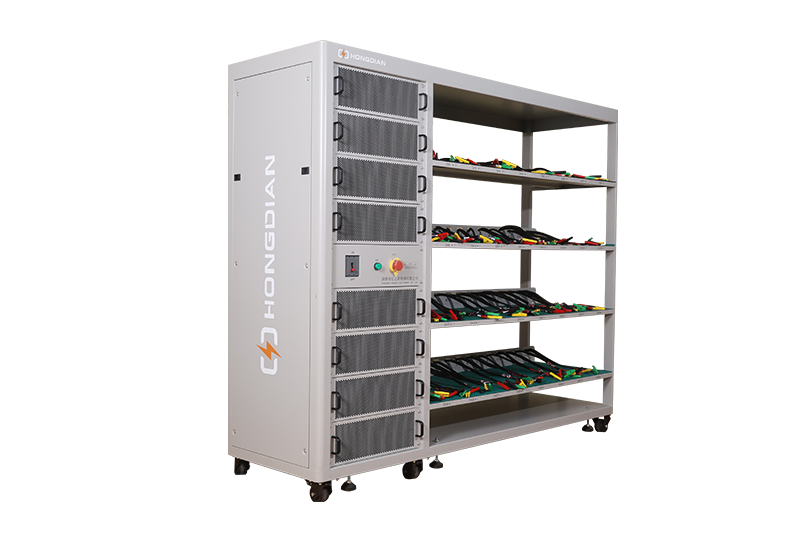 32/48 channel battery charging and discharging test integrated battery cabinet
  40 channel battery charging and discharging test integrated battery cabinet
  64 channel battery charging and discharging test integrated battery cabinet
 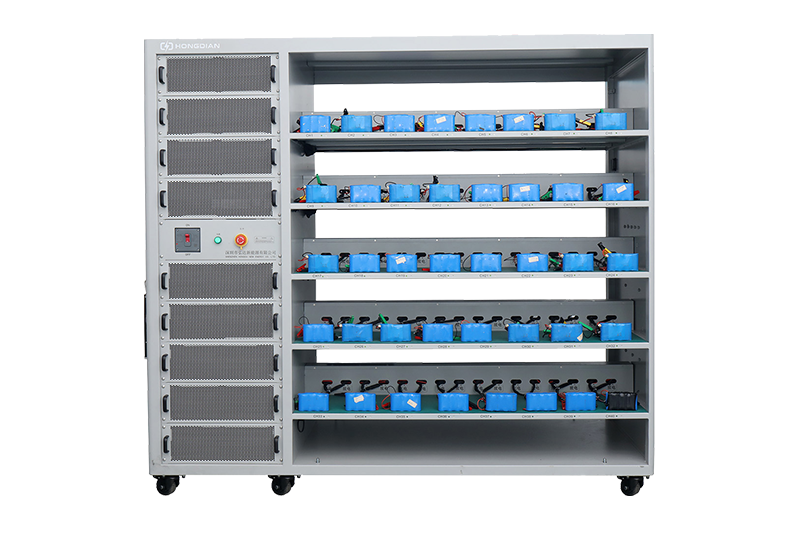 80 channel battery charging and discharging test integrated battery cabinet
 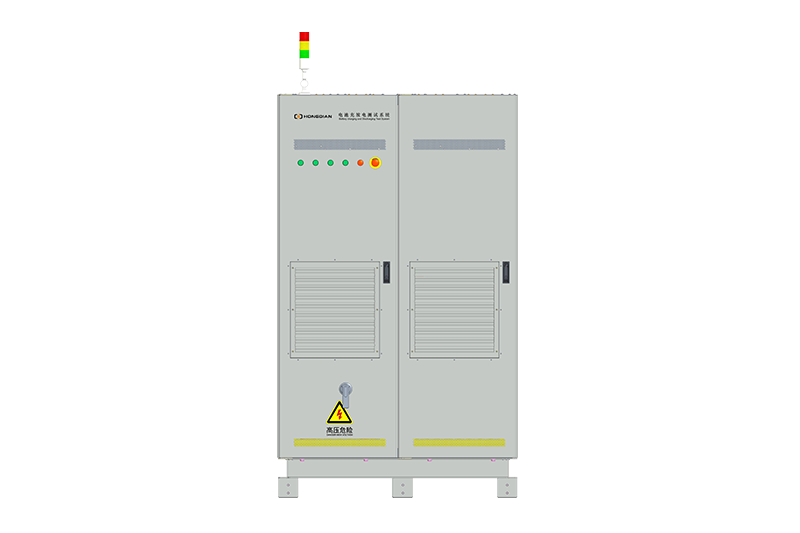 1000V-1500V High Voltage High Current Battery Testing System
 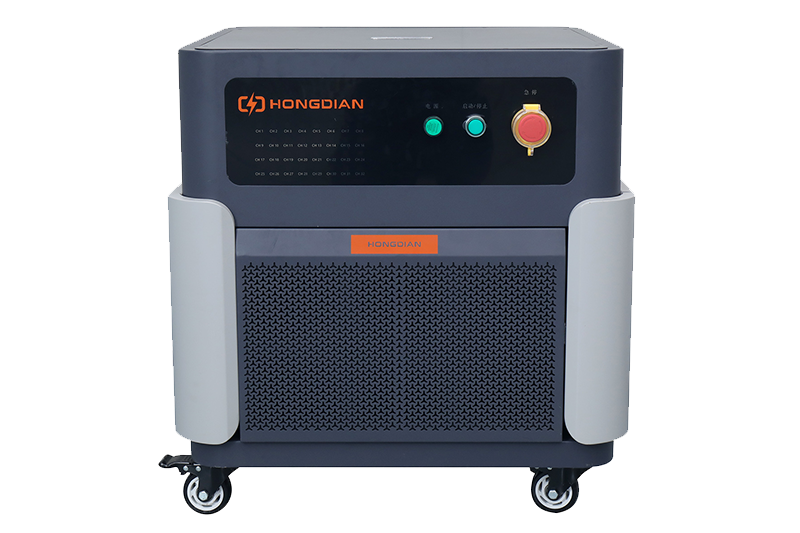 High-Precision Battery Testing System for Enhanced Performance Monitoring 30V/60V/100V/120V
 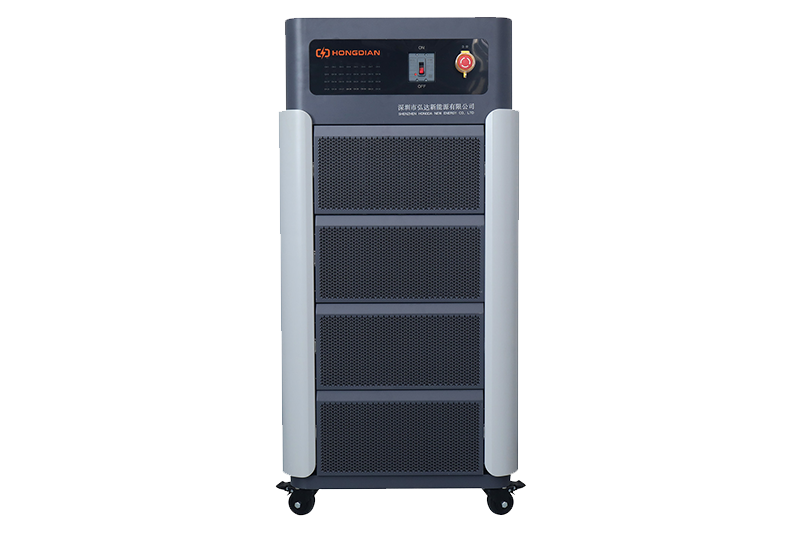 High-Precision Battery Charge Discharge Test Systems for EV Manufacturers
 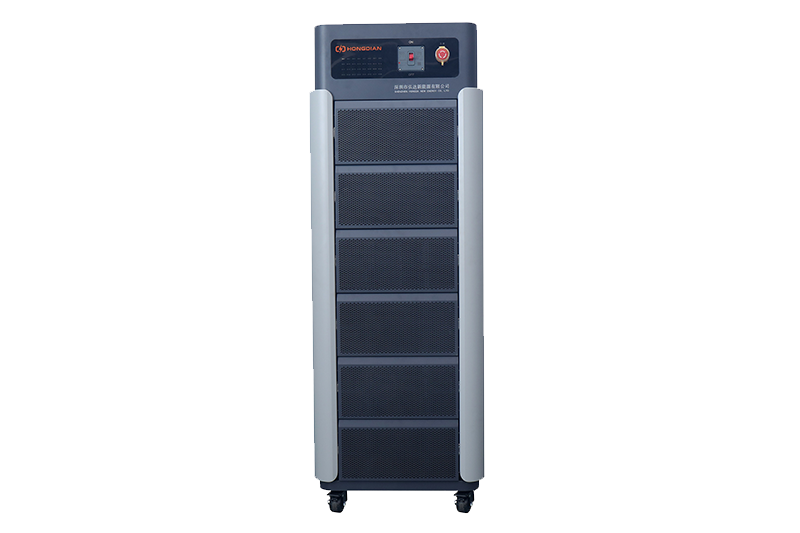 Precision Battery Test Racks for Cell Capacity & Internal Resistance Measurement
 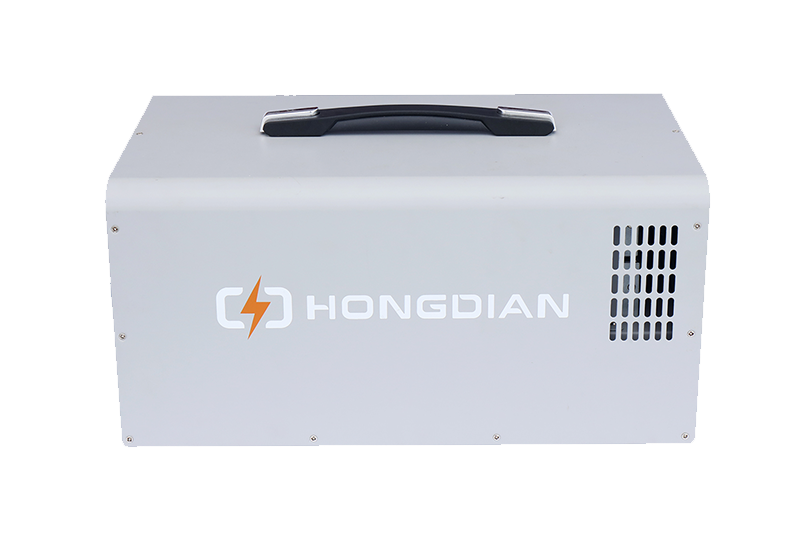 Multi-Channel Battery Testing Equipment for Parallel Performance Analysis